The Green Gold: A Complete Guide to Avocado’s Health Benefits and Delicious Recipes
Introduction: More Than Just Toast Topping
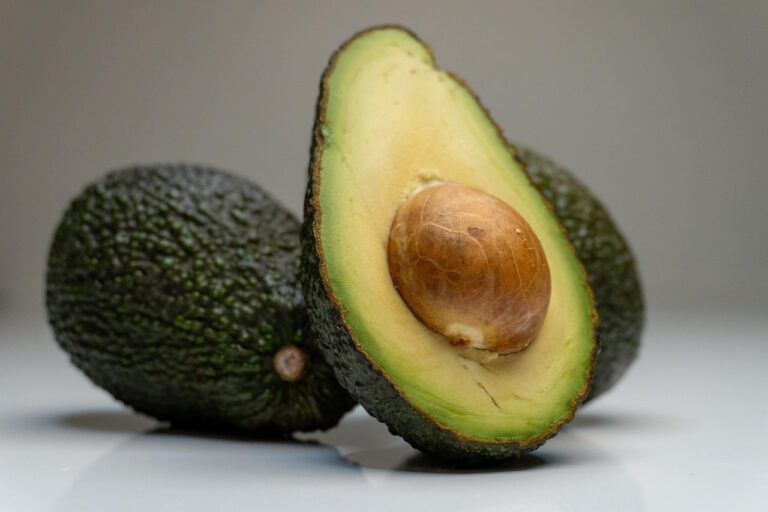
Once relegated to guacamole and California rolls, avocado has exploded into culinary stardom—and for excellent reason. This creamy, versatile fruit (yes, it’s a berry!) packs a remarkable nutritional profile that translates to impressive health benefits. From its unique fatty acid composition to its surprising array of vitamins and minerals, avocado deserves its superfood status. This comprehensive guide explores the science-backed benefits of avocado nutrition and provides simple, delicious recipes to help you incorporate this nutritional powerhouse into your daily diet.
Part 1: The Nutritional Powerhouse – What’s Inside an Avocado?
Macronutrient Profile (Per Medium Avocado, ~150g):
Calories: 240
Healthy Fats: 22g (15g monounsaturated, 4g polyunsaturated, 3g saturated)
Carbohydrates: 13g (10g fiber, 1g sugar)
Protein: 3g
Water Content: ~72%
Key Micronutrients (with Percentage of Daily Value):
Vitamin K: 36% (crucial for blood clotting and bone health)
Folate: 30% (essential for cell function and tissue growth)
Vitamin C: 22% (antioxidant and immune support)
Vitamin E: 16% (fat-soluble antioxidant)
Potassium: 21% (more than a banana!)
Vitamin B5: 20% (energy metabolism)
Vitamin B6: 18% (brain health and red blood cell formation)
Special Compounds:
Lutein & Zeaxanthin: Carotenoids that support eye health
Beta-sitosterol: Plant compound that helps maintain healthy cholesterol levels
Polyhydroxylated fatty alcohols (PFAs): Anti-inflammatory compounds unique to avocados
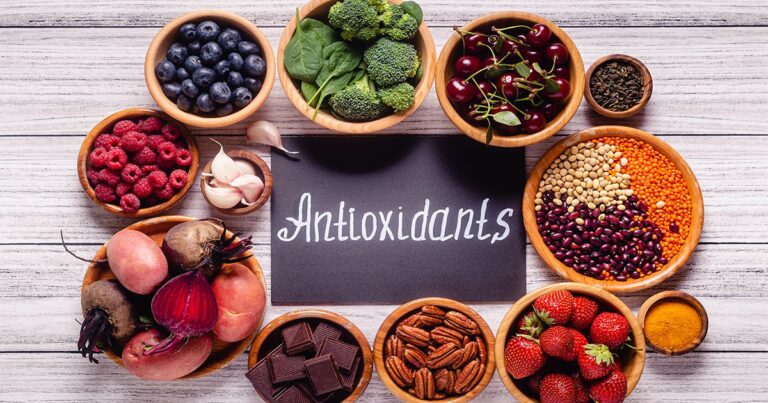
Antioxidants: Glutathione, carotenoids, and phenolics
Part 2: Science-Backed Health Benefits
1. Heart Health Champion
Monounsaturated Fats: The oleic acid (same as in olive oil) reduces LDL (“bad”) cholesterol while maintaining HDL (“good”) cholesterol.
Potassium Power: Helps regulate blood pressure by counteracting sodium’s effects.
Fiber Factor: 10 grams per avocado supports healthy cholesterol levels and cardiovascular function.
Research Insight: A 2018 review in Nutrients found avocado consumption is associated with improved cardiovascular risk profiles, including lower LDL cholesterol and triglyceride levels.
2. Weight Management Ally
Satiety Superstar: The combination of healthy fats (9 calories/gram) and fiber creates lasting fullness. Studies show adding avocado to meals increases satisfaction and reduces subsequent eating.
Blood Sugar Stabilizer: The high fiber content slows carbohydrate absorption, preventing blood sugar spikes.
Metabolic Boost: Research suggests avocados may help reduce abdominal fat distribution.
3. Nutrient Absorption Enhancer
Fat-Soluble Vitamin Vehicle: The healthy fats in avocado dramatically increase absorption of fat-soluble vitamins (A, D, E, K) and antioxidants from other foods.
Study Proof: Adding avocado to salads increases carotenoid absorption from vegetables by 200-400%.
4. Digestive Health Supporter
Prebiotic Fiber: About 75% of avocado fiber is insoluble (adds bulk), 25% is soluble (feeds beneficial gut bacteria).
Gut Microbiome: The fiber diversity supports a healthy balance of gut microorganisms.
5. Eye Health Protector
Lutein & Zeaxanthin: These carotenoids accumulate in the retina, acting as natural sunglasses that filter harmful blue light and reduce risk of age-related macular degeneration.
Fat-Facilitated Absorption: The avocado’s fat content makes these eye-protecting compounds more bioavailable than from other sources.
6. Anti-Inflammatory and Antioxidant Effects
Unique PFAs: Avocado contains polyhydroxylated fatty alcohols with demonstrated anti-inflammatory properties.
Glutathione: This “master antioxidant” supports liver health and helps combat oxidative stress.
7. Skin Health and Anti-Aging
Vitamin E & C: These antioxidants protect skin from oxidative damage and support collagen production.
Moisturizing Fats: The monounsaturated fats help maintain skin’s lipid barrier, improving hydration and elasticity.
8. Pregnancy Superfood
Folate Richness: Crucial for preventing neural tube defects.
Potassium: Helps manage pregnancy-related swelling and blood pressure.
Healthy Fats: Supports fetal brain development.
Part 3: Selection, Storage, and Preparation Tips
Choosing the Perfect Avocado:
For immediate use: Slight give when gently squeezed, dark green to nearly black skin
For later use: Firmer fruit, lighter green skin
Avoid: Large indentations, overly mushy spots, or separation between stem and fruit
Ripening and Storage:
Speed ripening: Place in a paper bag with a banana or apple (ethylene gas accelerates ripening)
Slow ripening: Refrigerate when ripe to extend life 2-3 days
Prevent browning: Leave pit in unused portion, drizzle with lemon/lime juice, press plastic wrap directly on surface, or store in an airtight container
Preparation Basics:
Cutting safely: Use the “safe avocado method” – place on cutting board, slice around lengthwise, twist halves apart, carefully remove pit with a spoon or knife
Peeling: For Hass avocados, the skin peels easily from ripe fruit
Part 4: Easy, Nutritious Recipes
Breakfast Options
1. Simple Avocado Toast Trio
Basic Formula: Mashed avocado + seasoning + topping on whole-grain toast
A. Mediterranean Style:
½ avocado, mashed
Whole grain sourdough toast
Toppings: Cherry tomatoes, crumbled feta, red pepper flakes, drizzle of olive oil
B. Protein-Packed:
C. Sweet Option:
2. Avocado Green Smoothie
½ avocado
1 cup spinach
½ banana (frozen)
½ cup Greek yogurt
½ cup unsweetened almond milk
1 tsp honey (optional)
Blend until smooth for a creamy, filling breakfast.
Lunch & Dinner
3. 5-Minute Avocado Chicken Salad
1 avocado, mashed
1 cup cooked chicken breast, shredded
2 tbsp Greek yogurt or mayonnaise
1 tbsp lemon juice
¼ cup diced celery
Salt, pepper to taste
Mix all ingredients. Serve in lettuce cups, on toast, or with crackers.
4. Creamy Avocado Pasta Sauce (Dairy-Free)
5. Simple Stuffed Avocado
1 avocado, halved and pitted
Filling options: tuna salad, quinoa with vegetables, black beans and corn, chicken salad
Scoop out a bit of avocado to create more space. Fill with chosen mixture. Squeeze lime juice over top.
Snacks & Sides
6. Classic Guacamole (Healthier Version)
2 ripe avocados
¼ cup finely diced red onion
¼ cup cilantro, chopped
1 small tomato, diced
1 jalapeño, seeded and minced (optional)
Juice of 1 lime
½ tsp salt
Mash avocado to desired consistency. Mix in other ingredients. Serve with vegetable sticks or whole-grain chips.
7. Avocado Deviled Eggs
6 hard-boiled eggs, halved
1 avocado
1 tbsp Greek yogurt
1 tsp Dijon mustard
1 tsp lemon juice
Paprika for garnish
Remove yolks. Mix yolks with avocado and other ingredients until smooth. Pipe or spoon into egg whites. Sprinkle with paprika.
8. Avocado Chocolate Mousse (Healthy Dessert)
Kitchen Hacks
9. Avocado as a Healthy Fat Swap:
Replace mayonnaise in sandwiches/tuna salad
Substitute for butter/oil in baking (use 1:1 ratio)
Use instead of sour cream on tacos/baked potatoes
Blend into salad dressings for creaminess
10. Avocado Oil:
High smoke point (520°F/270°C) makes it ideal for high-heat cooking
Neutral flavor works in both sweet and savory dishes
Contains the same beneficial compounds as whole avocado
Part 5: Special Considerations
For Different Dietary Needs:
Keto/Low-Carb: Perfect fit – high fat, moderate fiber, low net carbs
Vegan/Vegetarian: Excellent source of healthy fats and nutrients often lacking
Gluten-Free: Naturally gluten-free
Dairy-Free: Creates creamy textures without dairy
Potential Concerns:
Calorie Density: Be mindful of portions if weight management is a goal (¼ to ½ avocado per serving)
Latex Allergy: Some people with latex allergy may react to avocados (oral allergy syndrome)
Blood Thinners: High vitamin K content may interact with medications like warfarin (consistent intake is key)
Sustainability Note:
Water Footprint: Avocados require significant water to grow (approximately 70 gallons per fruit)
Seasonality: Peak season varies by type – Hass avocados are generally available year-round
Buying Tips: Look for certified sustainable options and consider purchasing from regions with responsible water management
Conclusion: Embracing the Green Gold
Avocado is far more than a trendy food—it’s a nutritional marvel that delivers both exceptional health benefits and culinary versatility. Its unique combination of heart-healthy fats, fiber, vitamins, and bioactive compounds makes it a valuable addition to almost any eating pattern.
By incorporating avocados into your diet through these simple recipes and preparation methods, you’re not just enjoying delicious food—you’re investing in long-term health, from cardiovascular protection to glowing skin, from better nutrient absorption to sustained energy.
Remember that moderation and variety remain key principles of healthy eating. Pair your avocado consumption with other colorful fruits and vegetables, lean proteins, and whole grains for optimal nutrition. Whether smashed on toast, blended into smoothies, or transformed into creamy sauces, this remarkable fruit offers a simple, delicious path to better health—one creamy bite at a time.