Hearing Loss: A Comprehensive Guide to the Silent Signal
Introduction: More Than Just Volume
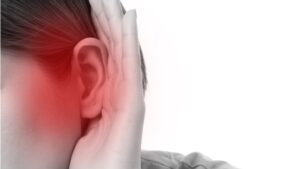
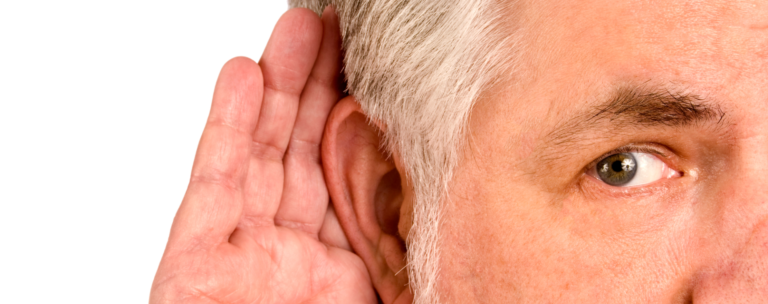
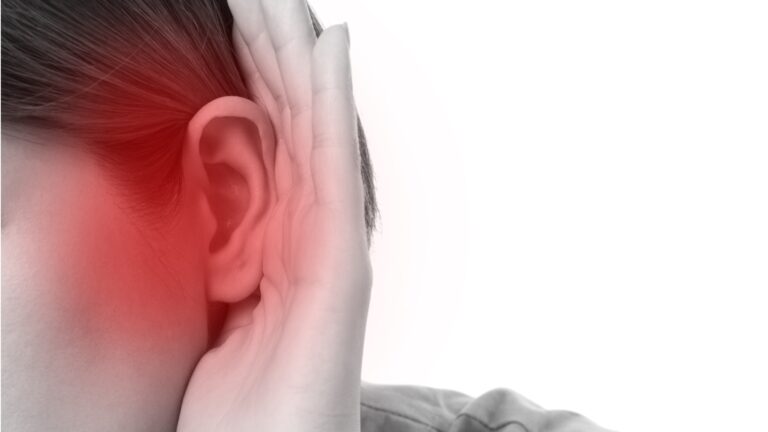
Hearing loss is not simply a matter of turning up the volume. It is a complex, often insidious condition that symbolizes a profound disconnection—from loved ones, from the environment, and from the vibrancy of life itself. Affecting an estimated 1.5 billion people globally, it is one of the most common yet under-addressed sensory deficits. The symbolism of hearing loss is multifaceted: it is a biomarker of aging, a consequence of our modern soundscape, a window into cardiovascular and metabolic health, and a powerful predictor of cognitive decline and social isolation. This guide explores hearing loss not just as a mechanical failure of the ear, but as a critical signal from the body about systemic health and social well-being, and the urgent importance of intervention.
Part 1: The Anatomy of Hearing and Types of Loss
To understand what is lost, one must understand how we hear.
The Hearing Pathway:
Outer Ear: Pinna and ear canal funnel sound waves to the eardrum.
Middle Ear: The eardrum vibrates, moving three tiny bones (ossicles) that amplify sound into the inner ear.
Inner Ear (Cochlea): A fluid-filled, snail-shaped organ. Vibrations move tiny hair cells (stereocilia) which convert mechanical energy into electrical signals.
Auditory Nerve: Carries these electrical signals to the brain for processing and interpretation.
Types of Hearing Loss:
Conductive Hearing Loss: A problem in the outer or middle ear (e.g., earwax, fluid, infection, otosclerosis). Sound is blocked from reaching the inner ear. Often medically or surgically treatable.
Sensorineural Hearing Loss (SNHL): The most common permanent type. Damage to the delicate hair cells in the cochlea or the auditory nerve. Caused by noise, aging, ototoxic drugs, disease. Symbolizes cumulative life exposures and genetic predisposition.
Mixed Hearing Loss: A combination of conductive and sensorineural.
Auditory Neuropathy Spectrum Disorder (ANSD): A problem with the transmission of signals from the cochlea to the brain.
Part 2: What Hearing Loss Symbolizes – The Deeper Meaning
Hearing loss is a powerful signifier, pointing to broader issues.
1. A Symbol of Our Sonic Environment: “Sociocusis”
What It Means: The gradual SNHL from lifelong exposure to environmental noise (traffic, machinery, urban living) beyond industrial settings. It symbolizes the acoustic cost of modern civilization. Our world is louder than our biology evolved to handle.
2. A Biomarker of Cellular Aging: “Presbycusis”
What It Means: Age-related hearing loss is not inevitable, but it is common. It symbolizes the cumulative oxidative stress and mitochondrial dysfunction in the metabolically demanding cochlear hair cells. These cells do not regenerate. Presbycusis is a visible (or rather, audible) sign of systemic aging processes.
3. A Window to Cardiovascular and Metabolic Health
The Connection: The cochlea is exquisitely sensitive to blood flow. It is fed by a terminal artery with no collateral backup.
What It Signals: Hearing loss, especially of a certain pattern (low-frequency loss), can be an early warning sign of microvascular disease. Conditions like hypertension, diabetes, and smoking damage these tiny blood vessels, starving the hair cells of oxygen and nutrients. Hearing loss may appear before a heart disease diagnosis.
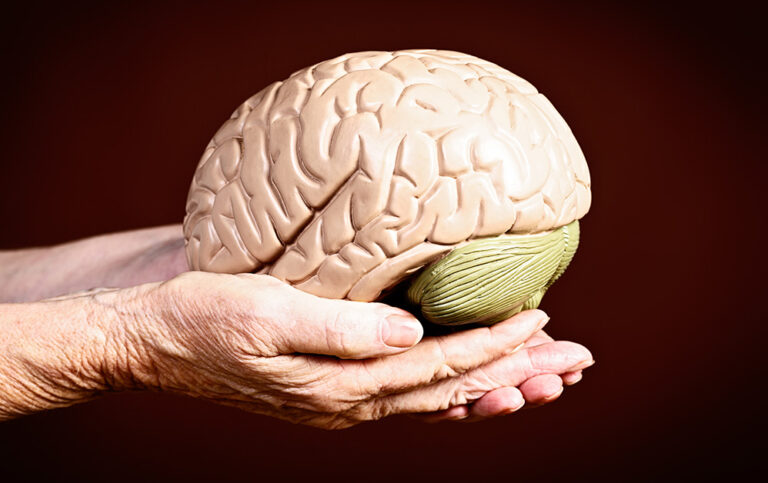
4. The Most Potent Modifiable Risk Factor for Dementia
5. A Signal of Ototoxic Exposure
What It Means: Sudden or progressive hearing loss can symbolize exposure to chemical or pharmaceutical toxins. Known ototoxic agents include certain chemotherapy drugs (cisplatin), loop diuretics, high-dose aspirin, and some antibiotics (aminoglycosides). It is a sign of necessary but damaging medical treatment.
6. A Marker of Neurological or Autoimmune Disease
What It Means: Sudden sensorineural hearing loss (SSNHL) or asymmetric loss can symbolize underlying systemic issues like Meniere’s disease, acoustic neuroma, multiple sclerosis, or autoimmune inner ear disease (AIED). The ear can be the first organ to manifest a broader problem.
Part 3: Recognizing the Signs – Beyond “What?”
Hearing loss often creeps in unnoticed. Signs include:
Social: Asking for repeats, withdrawing from group conversations, turning up the TV too loud, misunderstanding speech (especially in noise), spouses/family complaining.
Psychological: “Hearing fatigue”—extreme tiredness after social gatherings, stress, anxiety, and depression.
Perceptual: Tinnitus (ringing in the ears), a feeling of ear fullness, dizziness/imbalance (due to closely related vestibular system).
Part 4: Diagnosis and the Critical Importance of Intervention
Ignoring hearing loss is ignoring a major health risk factor.
Audiological Evaluation: Conducted by an audiologist. Includes:
Pure-Tone Audiometry: Determines the softest sounds you can hear at different pitches.
Speech Testing: Assesses word recognition ability.
Tympanometry: Tests middle ear function.
Medical Evaluation (Otologist/ENT): To rule out medical causes, especially for sudden or asymmetric loss.
Intervention is Treatment, Not Surrender:
Hearing Aids: Modern devices are digital, discreet, and can connect to phones/TVs. They are the primary treatment for SNHL and have been shown to slow cognitive decline and improve quality of life.
Cochlear Implants: For severe-to-profound SNHL where hearing aids are insufficient. They bypass damaged hair cells to directly stimulate the auditory nerve.
Assistive Listening Devices & Communication Strategies.
Treating Underlying Causes: Addressing cardiovascular health, removing wax, treating infections.
Part 5: Prevention – Protecting the Connection
Limit Noise Exposure: Use hearing protection (earplugs, muffs) in loud environments. Follow the 60/60 rule with headphones: ≤60% volume for ≤60 minutes.
Manage Systemic Health: Control blood pressure, blood sugar, and cholesterol. Do not smoke.
Ototoxic Awareness: Discuss medication risks with your doctor.
Prioritize Regular Hearing Checks: Just like vision or dental exams, especially after age 50 or with risk factors.
Conclusion: Listening to the Signal
Hearing loss is far more than an auditory problem; it is a biometric readout of your life exposures, your circulatory health, and a powerful predictor of your neurological future. It symbolizes the delicate balance between our bodies and our environment. To dismiss it as “just a part of getting old” is to ignore one of the body’s most important warning systems. Addressing hearing loss proactively—through protection, regular screening, and embracing intervention like hearing aids—is one of the most significant acts of long-term health preservation one can undertake. It is an investment not only in clearer sound but in maintaining cognitive vitality, emotional well-being, and deep, meaningful connections to the world and people around you. In a world of noise, preserving your ability to listen is preserving your ability to live fully.
Key Takeaways:
Hearing loss is a major modifiable risk factor for dementia. Treating it is brain protection.
It can be an early warning sign of cardiovascular disease.
Modern hearing aids are effective, discreet, and health-preserving technology, not a stigma.
Protect your hearing like you protect your heart: avoid loud noise and manage overall health.
Get a baseline hearing test by age 60, or sooner if you notice changes.
Resources:
Disclaimer: This article is for informational purposes only and is not a substitute for professional medical or audiological advice. If you suspect hearing loss, consult an audiologist or otolaryngologist (ENT) for a comprehensive evaluation.