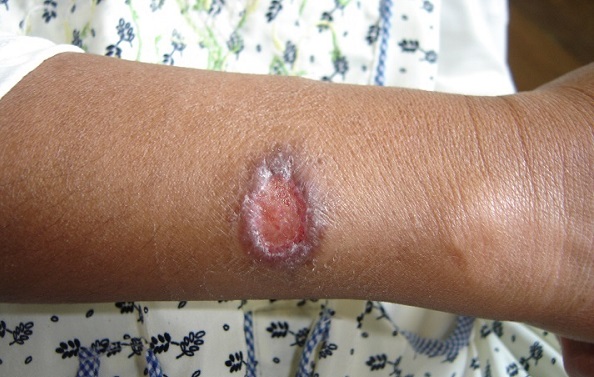
HIV
HIV (human immunodeficiency virus) is a virus that attacks the body’s immune system, specifically the CD4 cells (T cells), which help the immune system fight off infections. If left untreated, HIV can lead to AIDS (acquired immunodeficiency syndrome), the late stage of HIV infection. While there’s currently no cure, effective treatments allow people with HIV to live long, healthy lives.
Here’s a detailed overview of HIV:
Understanding HIV:
- How it Works:
- HIV targets and destroys CD4 cells, weakening the immune system.
- This makes the body vulnerable to opportunistic infections and cancers, which are diseases that take advantage of a weakened immune system.
- HIV targets and destroys CD4 cells, weakening the immune system.
- Progression to AIDS:
- Without treatment, HIV gradually destroys the immune system, eventually leading to AIDS.
- AIDS is diagnosed when the CD4 cell count drops below 200 cells/mm³ or when certain opportunistic infections or cancers develop.
- Without treatment, HIV gradually destroys the immune system, eventually leading to AIDS.
Transmission:
HIV is transmitted through specific bodily fluids:
- Blood: Sharing needles, syringes, or other drug injection equipment.
- Semen, pre-seminal fluid, vaginal fluids, and rectal fluids: During anal, vaginal, or oral sex.
- Breast milk: From a mother to her child.
HIV is not transmitted through:
- Casual contact (hugging, shaking hands, sharing food).
- Air or water.
- Insect bites.
- Saliva, tears, or sweat (unless mixed with blood).
Symptoms:
- Acute HIV Infection (Stage 1):
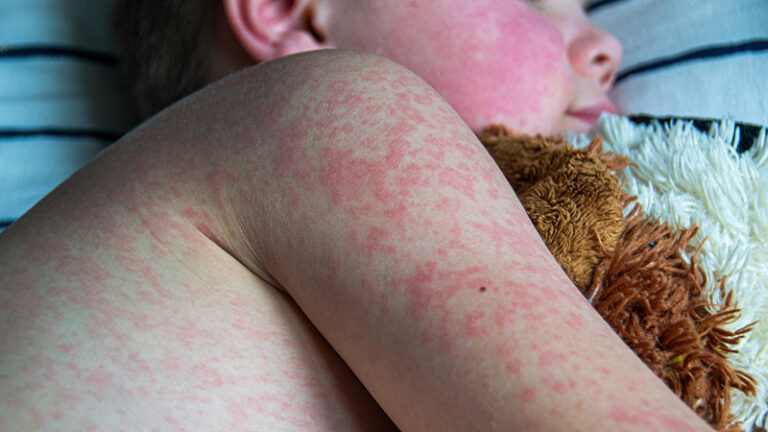
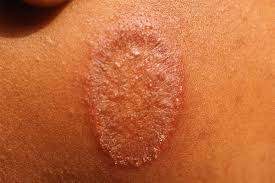
- Many people experience flu-like symptoms (fever, fatigue, rash) within a few weeks of infection.
- This stage is highly infectious.
- Many people experience flu-like symptoms (fever, fatigue, rash) within a few weeks of infection.
- Chronic HIV Infection (Stage 2):
- Also known as asymptomatic HIV infection or clinical latency.
- People may have no symptoms for years, but the virus continues to replicate.
- With antiretroviral therapy (ART), people can live in this stage for decades and have an undetectable viral load, meaning they cannot sexually transmit HIV.
- Also known as asymptomatic HIV infection or clinical latency.
- AIDS (Stage 3):
- The most advanced stage, with a severely weakened immune system.
- Opportunistic infections and cancers become common.
- The most advanced stage, with a severely weakened immune system.
Diagnosis:
- HIV Testing:
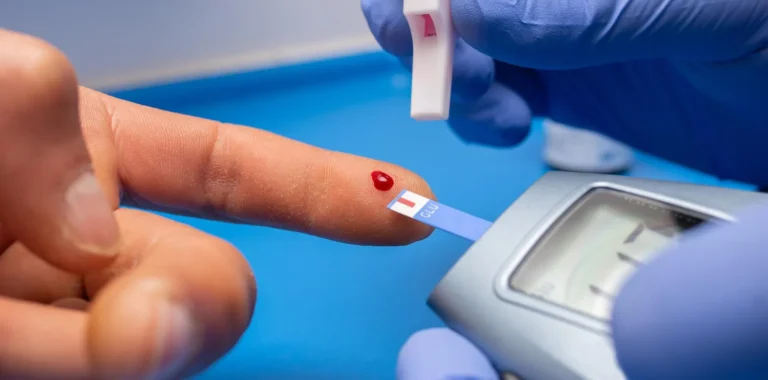
- The only way to know your HIV status is to get tested.
- Various tests are available, including rapid tests and laboratory tests.
Treatment:
- Antiretroviral Therapy (ART):
- ART involves taking a combination of medications that suppress HIV replication.
- ART cannot cure HIV, but it can:
- Keep the viral load undetectable.
- Prevent progression to AIDS.
- Improve quality of life.
- Reduce the risk of transmission.
- ART involves taking a combination of medications that suppress HIV replication.
- “Undetectable = Untransmittable” (U=U):
- When a person with HIV takes ART as prescribed and achieves and maintains an undetectable viral load, they cannot sexually transmit HIV to others.
- When a person with HIV takes ART as prescribed and achieves and maintains an undetectable viral load, they cannot sexually transmit HIV to others.
Prevention:
- Condoms: Using condoms consistently and correctly during sex.
- Pre-exposure prophylaxis (PrEP): Taking daily medication to prevent HIV infection.
- Post-exposure prophylaxis (PEP): Taking medication after potential exposure to HIV.
- Testing: Regular HIV testing for yourself and your partners.
- Treatment as prevention (TasP): People with HIV who achieve and maintain an undetectable viral load cannot sexually transmit HIV.
- Needle safety: Never sharing needles or syringes.
Key Points:
- Early diagnosis and treatment are crucial for people with HIV.
- ART has dramatically improved the lives of people with HIV.
- Prevention remains essential to stop the spread of HIV.
- It is important to gain information from reliable sources, such as the CDC and WHO.