How to Spot Parkinson’s Disease Symptoms: A Comprehensive Guide to Early Recognition
Introduction: The Subtle Onset of a Progressive Journey
Parkinson’s disease (PD) is a progressive neurodegenerative disorder characterized by the gradual loss of dopamine-producing neurons in a region of the brain called the substantia nigra. This loss leads to a constellation of motor and non-motor symptoms that evolve slowly, often over years. Unlike conditions with acute onset, Parkinson’s typically announces itself through subtle, easy-to-miss changes. Early recognition is crucial not because it alters the disease’s progression—there is no cure—but because it allows for the timely initiation of treatments that can significantly improve quality of life for years or even decades. Furthermore, understanding these early signs empowers individuals and families to seek expert neurological care, participate in clinical trials, and plan for the future. This guide provides a detailed, structured framework for recognizing the potential symptoms of Parkinson’s disease, emphasizing the importance of observing patterns over time.
Part 1: The Cardinal Motor Signs – The “TRAP” Mnemonic
Neurologists diagnose Parkinson’s based on the presence of bradykinesia plus at least one other cardinal motor sign. The classic quartet is remembered as TRAP.
1. Tremor (The “Pill-Rolling” Resting Tremor)
What to Look For: A rhythmic, back-and-forth shaking that is most prominent when the limb is completely at rest and supported (e.g., a hand resting in a lap, an arm hanging at the side). It typically starts asymmetrically (on one side of the body only) and often involves the thumb and forefinger moving in a circular motion, resembling rolling a pill.
Key Distinction: The tremor diminishes or stops with voluntary movement (like reaching for a cup) and returns when the limb returns to rest. This is different from an essential tremor, which occurs during action (like holding a spoon).
Early Clue: A slight tremor in just one finger or thumb when the hand is relaxed.
2. Rigidity (Muscle Stiffness)
What to Look For: A constant, involuntary stiffness and resistance in the muscles, even when the person is trying to relax. It can affect any part of the body (limbs, neck, trunk).
How to Spot It: Movements may appear stiff or robotic. When a doctor moves the person’s joints, they feel a consistent “lead-pipe” resistance. Sometimes, rigidity combines with tremor to create a “cogwheeling” sensation—a ratchety, catch-and-release feel during movement.
Early Clue: A persistent stiff shoulder or hip that is misdiagnosed as arthritis or a rotator cuff injury but doesn’t respond to typical treatments.
3. Akinesia / Bradykinesia (Slowness of Movement)
What to Look For: This is the most critical and disabling motor feature. It is not just slowness, but also a poverty of movement—a decrease in spontaneous, automatic actions.
Manifestations:
Reduced Facial Expression (Hypomimia): A masked, “stone-faced” appearance with less frequent blinking.
Micrographia: Handwriting becomes progressively smaller, more cramped, and harder to read.
Decreased Arm Swing: One arm may swing less than the other when walking.
General Slowness: Taking longer to perform tasks like buttoning a shirt, cutting food, or getting out of a chair.
Early Clue: A noticeable decline in the speed and size of handwriting or a loss of spontaneous gestures during conversation.
4. Postural Instability (Impaired Balance & Coordination)
What to Look For: Difficulty with balance and a tendency to fall. This is typically a later symptom, often appearing years after others.
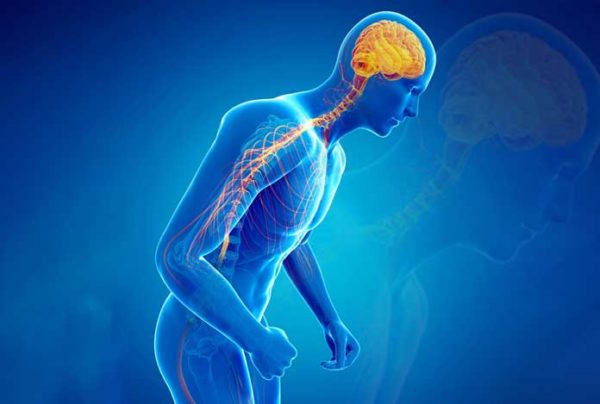
How it Presents: A stooped, forward-flexed posture. Unsteady turns, taking small, shuffling steps to catch balance. A tendency to retropulsion (falling backward when bumped or starting to move).
Note: Its early presence should prompt investigation for other parkinsonian syndromes.
Part 2: The Gait – A Telltale Pattern
Walking changes are a hallmark. Observe for:
Shuffling Gait: Short, hurried steps where the feet barely clear the ground.
Freezing of Gait: A sudden, brief inability to move the feet, as if they are “glued to the floor,” especially when starting to walk, turning, or approaching doorways.
Reduced or Asymmetric Arm Swing.
Part 3: Non-Motor Symptoms – Often the Earliest Warnings
Non-motor symptoms can precede motor symptoms by 10-20 years. Recognizing these can be key to very early suspicion.
1. Sleep Disorders
REM Sleep Behavior Disorder (RBD): The most significant prodromal (pre-motor) symptom. The person physically acts out vivid, often violent dreams (shouting, punching, kicking) due to a loss of normal muscle paralysis during REM sleep.
Excessive Daytime Sleepiness.
2. Loss of Sense of Smell (Hyposmia/Anosmia)
A very common early sign, often unnoticed by the individual. They may no longer be able to smell spices, certain foods, or scents like gasoline or coffee.
3. Autonomic Dysfunction
Constipation: Persistent and often troublesome.
Orthostatic Hypotension: A drop in blood pressure upon standing, causing dizziness or lightheadedness.
Urinary Issues: Frequency, urgency, or incontinence.
4. Mood and Cognitive Changes
Depression and Anxiety: Can be early manifestations of the brain changes in PD.
Apathy: Loss of motivation or interest.
Mild Cognitive Changes: Slowed thinking, difficulty with multitasking or planning (executive dysfunction).
5. Other Early Signs
Pain: Unexplained aching in a limb or shoulder.
Fatigue: A deep, persistent lack of energy.
Soft, Low Voice (Hypophonia): Others may constantly ask the person to speak up.
Seborrheic Dermatitis: Oily, flaky skin, particularly on the face and scalp.
Part 4: The Pattern of Progression – Key Observations
When considering symptoms, the pattern is as important as the symptoms themselves.
Asymmetric Onset: Symptoms almost always begin on one side of the body. One hand may tremble while the other is steady; one foot may drag slightly.
Gradual, Insidious Progression: Changes occur over months and years, not days or weeks.
Responsiveness to Levodopa: A definitive diagnostic test in a clinical setting. A significant improvement with Parkinson’s medication (levodopa) strongly supports the diagnosis.
Part 5: What Parkinson’s Is NOT – Red Flags for Other Conditions
Some symptoms suggest a disorder other than classic idiopathic Parkinson’s disease (a “Parkinson-plus” syndrome or other neurological condition). These “red flags” include:
Rapid symptom progression (becoming wheelchair-bound within a few years).
Early falls and severe postural instability at disease onset.
Lack of tremor.
Poor or no response to high doses of levodopa.
Early, severe autonomic failure (significant blood pressure drops, incontinence).
Early cognitive decline or hallucinations (not medication-induced).
Prominent cerebellar signs (severe coordination problems) or pyramidal signs (very brisk reflexes, Babinski sign).
Symmetrical symptom onset.
Part 6: The Path to Diagnosis – What to Do If You Notice Symptoms
Do not self-diagnose. If you or a loved one exhibits a cluster of these symptoms, especially if they are progressive and asymmetric:
Document Observations: Keep a log of specific symptoms, when they started, and how they have changed.
Consult a Primary Care Physician: Begin with a thorough evaluation to rule out other causes (vitamin deficiencies, thyroid issues, medication side effects).
Seek a Specialist: Request a referral to a neurologist, ideally one who specializes in movement disorders. These specialists have the expertise to perform a detailed neurological exam, interpret the nuances of symptoms, and make an accurate diagnosis.
The Diagnostic Process: There is no single lab test. Diagnosis is based on:
Detailed Medical History.
Neurological Examination: Assessing gait, balance, coordination, muscle tone, and speed of movement.
Response to Medication: A positive response to a trial of Parkinson’s medication (levodopa) is a key supportive criterion.
Possible Imaging: A DaTscan (a specialized brain SPECT scan) can help differentiate PD from other conditions like essential tremor but is not required for diagnosis.
Conclusion: Awareness as a Catalyst for Action
Spotting the symptoms of Parkinson’s disease requires a watchful eye for the subtle, a recognition of the pattern, and an understanding that the signs extend far beyond a tremor. Early detection opens the door to a proactive management strategy involving medication, physical therapy, exercise, and lifestyle adjustments that can preserve function and independence for a long time. While the diagnosis can be daunting, knowledge dispels fear. By recognizing these signs, individuals and families are empowered to seek the right care, engage with supportive communities, and face the future with a plan, ensuring the highest possible quality of life on the journey ahead.
Key Takeaways:
Look for the TRAP signs: Tremor at rest, Rigidity, Akinesia (slowness), and Postural instability.
Pay close attention to non-motor symptoms like loss of smell, sleep disorders, and constipation, which can appear years earlier.
Note the asymmetric, gradual onset of symptoms.
Seek evaluation from a movement disorder specialist for an accurate diagnosis.
A diagnosis is not a crisis but a starting point for effective management.
Resources for Support and Information:
Disclaimer: This article is for informational purposes only and is not a substitute for professional medical advice, diagnosis, or treatment. Always seek the advice of a qualified neurologist with any questions you may have regarding a medical condition.