The Comprehensive Guide to Low-Carb Foods and Their Nutritional Values
Introduction: Understanding the Low-Carb Landscape
The shift toward low-carbohydrate eating patterns has evolved from a simple weight loss trend to a scientifically-backed nutritional strategy embraced for metabolic health, blood sugar management, and sustained energy. However, navigating the world of low-carb foods requires more than just counting carbohydrates—it demands understanding the complete nutritional profile of these foods to create a balanced, nutrient-dense diet. This comprehensive guide explores the nutritional values of low-carb foods across all food groups, providing you with evidence-based information to make informed dietary choices.
Defining “Low-Carb” in Context
Before diving into specific foods, it’s essential to establish what “low-carb” means:
Very Low-Carb/Keto: Typically 20-50 grams of net carbs daily
Low-Carb: 50-100 grams of net carbs daily
Moderate-Carb: 100-150 grams of net carbs daily
Net Carbs = Total Carbohydrates – Fiber – Sugar Alcohols (for most individuals)
This guide focuses on foods with ≤10 grams of net carbs per standard serving, suitable for various low-carb approaches.
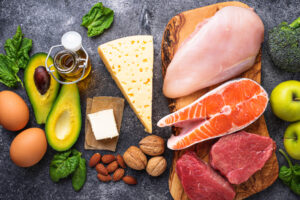
Category 1: Animal Proteins – The Zero-Carb Foundation
Animal proteins contain virtually no carbohydrates while providing complete protein and essential nutrients.
Eggs: Nature’s Perfect Package
Large egg (50g):
Calories: 72
Protein: 6.3g
Fat: 4.8g
Carbs: 0.4g
Net Carbs: 0.4g
Key Nutrients: Choline (147mg, 27% DV), selenium (15.4mcg, 28% DV), vitamin B12 (0.6mcg, 25% DV), riboflavin (0.2mg, 15% DV)
Health Notes: Whole eggs contain lutein and zeaxanthin for eye health. The cholesterol content (186mg) doesn’t significantly impact blood cholesterol for most people.
Beef: Grass-Fed vs. Grain-Fed
3oz (85g) cooked 85% lean ground beef:
Calories: 218
Protein: 22g
Fat: 14g
Carbs: 0g
Net Carbs: 0g
Key Nutrients: Iron (2.2mg, 12% DV), zinc (5.3mg, 48% DV), vitamin B12 (2.4mcg, 100% DV), selenium (18.4mcg, 33% DV)
Grass-Fed Advantage: Higher omega-3s (ALA), CLA (conjugated linoleic acid), and vitamin E
Chicken: White vs. Dark Meat
3oz (85g) cooked, skinless chicken breast:
Calories: 128
Protein: 26g
Fat: 2.7g
Carbs: 0g
Net Carbs: 0g
Key Nutrients: Niacin (11.4mg, 71% DV), vitamin B6 (0.6mg, 35% DV), phosphorus (196mg, 28% DV), selenium (24.3mcg, 44% DV)
3oz (85g) cooked, skinless chicken thigh:
Pork: Beyond Bacon
3oz (85g) cooked pork tenderloin:
Calories: 122
Protein: 22g
Fat: 3g
Carbs: 0g
Net Carbs: 0g
Key Nutrients: Thiamin (0.7mg, 58% DV), selenium (31.5mcg, 57% DV), vitamin B6 (0.6mg, 35% DV), phosphorus (214mg, 30% DV)
Fish and Seafood: Omega-3 Powerhouses
3oz (85g) cooked salmon (Atlantic, farmed):
Calories: 175
Protein: 19g
Fat: 10g
Carbs: 0g
Net Carbs: 0g
Key Nutrients: Vitamin D (11.1mcg, 74% DV), vitamin B12 (2.8mcg, 117% DV), selenium (31.2mcg, 57% DV), EPA+DHA: 1.5-2g
Wild vs. Farmed: Wild salmon has fewer calories, less fat, but similar protein
3oz (85g) canned sardines (in oil, drained):
Calories: 177
Protein: 21g
Fat: 9g
Carbs: 0g
Net Carbs: 0g
Key Nutrients: Calcium (325mg, 33% DV from bones), vitamin D (4.4mcg, 29% DV), vitamin B12 (8.2mcg, 342% DV)
Organ Meats: Nutrient Density Champions
3oz (85g) cooked beef liver:
Calories: 148
Protein: 23g
Fat: 4g
Carbs: 4g
Net Carbs: 4g
Key Nutrients: Vitamin A (6,582mcg RAE, 731% DV), vitamin B12 (70.6mcg, 2,941% DV), copper (12.4mg, 1,378% DV), riboflavin (2.9mg, 223% DV)
Note: Due to extremely high vitamin A content, limit to 1-2 servings monthly
Category 2: Non-Starchy Vegetables – Fiber and Phytochemical Power
These vegetables are low in digestible carbohydrates but rich in fiber, vitamins, minerals, and antioxidants.
Leafy Greens: The Lowest-Carb Options
1 cup (30g) raw spinach:
Calories: 7
Protein: 0.9g
Fat: 0.1g
Carbs: 1.1g
Fiber: 0.7g
Net Carbs: 0.4g
Key Nutrients: Vitamin K (145mcg, 121% DV), vitamin A (141mcg RAE, 16% DV), folate (58.2mcg, 15% DV), manganese (0.3mg, 13% DV)
1 cup (36g) raw kale:
Calories: 8
Protein: 0.7g
Fat: 0.2g
Carbs: 1.4g
Fiber: 0.8g
Net Carbs: 0.6g
Key Nutrients: Vitamin K (113mcg, 94% DV), vitamin A (125mcg RAE, 14% DV), vitamin C (19.6mg, 22% DV)
Cruciferous Vegetables: Sulfur-Rich Superstars
1 cup (91g) raw broccoli florets:
Calories: 31
Protein: 2.6g
Fat: 0.3g
Carbs: 6g
Fiber: 2.4g
Net Carbs: 3.6g
Key Nutrients: Vitamin C (81.2mg, 90% DV), vitamin K (93mcg, 78% DV), folate (57.3mcg, 14% DV), sulforaphane (varies)
1 cup (70g) raw cauliflower:
Calories: 18
Protein: 1.4g
Fat: 0.2g
Carbs: 3.5g
Fiber: 1.4g
Net Carbs: 2.1g
Key Nutrients: Vitamin C (25.6mg, 28% DV), vitamin K (11.5mcg, 10% DV), folate (44.3mcg, 11% DV)
Other Low-Carb Vegetables
1 medium (200g) zucchini:
Calories: 33
Protein: 2.4g
Fat: 0.6g
Carbs: 6g
Fiber: 2g
Net Carbs: 4g
Key Nutrients: Vitamin C (35mg, 39% DV), manganese (0.4mg, 17% DV), potassium (512mg, 11% DV)
1 cup (104g) sliced raw bell peppers (green):
Calories: 24
Protein: 1g
Fat: 0.2g
Carbs: 5.5g
Fiber: 2g
Net Carbs: 3.5g
Key Nutrients: Vitamin C (95.7mg, 106% DV), vitamin B6 (0.2mg, 12% DV), vitamin A (18.2mcg RAE, 2% DV)
Note: Red bell peppers have slightly more carbs (9g total, 6g net per cup) but higher vitamin A and C
Mushrooms: The Fungal Powerhouse
1 cup (70g) raw white mushrooms:
Calories: 15
Protein: 2.2g
Fat: 0.2g
Carbs: 2.3g
Fiber: 0.7g
Net Carbs: 1.6g
Key Nutrients: Selenium (8.9mcg, 16% DV), riboflavin (0.3mg, 23% DV), niacin (3.5mg, 22% DV), copper (0.2mg, 22% DV)
Special: Exposed to UV light increases vitamin D dramatically
Category 3: Dairy and Dairy Alternatives
Full-Fat Dairy: Keto-Friendly Options
*1oz (28g) full-fat cheddar cheese:*
Calories: 113
Protein: 7g
Fat: 9g
Carbs: 0.4g
Net Carbs: 0.4g
Key Nutrients: Calcium (202mg, 20% DV), vitamin A (84mcg RAE, 9% DV), phosphorus (145mg, 20% DV)
*1 cup (245g) plain, whole-milk Greek yogurt:*
Calories: 166
Protein: 16g
Fat: 8g
Carbs: 7g
Lactose/Sugars: 4g
Net Carbs: 7g (varies by brand)
Key Nutrients: Calcium (187mg, 19% DV), vitamin B12 (1.3mcg, 54% DV), iodine (87mcg, 58% DV), probiotics
Note: Regular yogurt has higher lactose/carbs
Dairy Alternatives
1 cup (240ml) unsweetened almond milk:
Calories: 39
Protein: 1g
Fat: 2.5g
Carbs: 3.4g
Fiber: 0.5g
Net Carbs: 2.9g
Key Nutrients: Calcium (482mg, 48% DV – typically fortified), vitamin E (7.4mg, 49% DV – from almonds), vitamin D (2.4mcg, 16% DV – fortified)
Note: Nutrient profile varies significantly by brand and fortification
1 cup (240ml) unsweetened coconut milk (canned):
Calories: 445
Protein: 4.6g
Fat: 48g
Carbs: 6g
Fiber: 0g
Net Carbs: 6g
Key Nutrients: Manganese (1.1mg, 48% DV), copper (0.2mg, 22% DV), iron (7.5mg, 42% DV)
Note: Very high in calories – use sparingly
Category 4: Nuts and Seeds – Concentrated Nutrients
Lowest-Carb Nuts (per 1oz/28g serving)
Macadamia Nuts:
Calories: 204
Protein: 2.2g
Fat: 21.5g
Carbs: 3.9g
Fiber: 2.4g
Net Carbs: 1.5g
Key Nutrients: Manganese (0.5mg, 22% DV), thiamin (0.3mg, 22% DV), copper (0.1mg, 11% DV)
Pecans:
Brazil Nuts (limit 2-3 daily due to selenium):
Calories: 186
Protein: 4.1g
Fat: 18.8g
Carbs: 3.5g
Fiber: 2.1g
Net Carbs: 1.4g
Key Nutrients: Selenium (544mcg, 989% DV), magnesium (107mg, 25% DV), copper (0.5mg, 53% DV)
Low-Carb Seeds
Chia Seeds (2 tablespoons/28g):
Calories: 138
Protein: 4.7g
Fat: 8.7g
Carbs: 12g
Fiber: 9.8g
Net Carbs: 2.2g
Key Nutrients: Manganese (0.6mg, 26% DV), magnesium (95mg, 23% DV), phosphorus (177mg, 25% DV)
Flaxseeds (2 tablespoons/28g, ground):
Hemp Hearts (3 tablespoons/30g):
Calories: 166
Protein: 9.5g
Fat: 14.6g
Carbs: 2.6g
Fiber: 1.2g
Net Carbs: 1.4g
Key Nutrients: Magnesium (210mg, 50% DV), zinc (3mg, 27% DV), iron (2.4mg, 13% DV)
Category 5: Fats and Oils – Pure Energy Sources
Cooking Fats
Extra virgin olive oil (1 tablespoon/14g):
Calories: 119
Fat: 13.5g (2g saturated, 10g monounsaturated, 1.5g polyunsaturated)
Carbs: 0g
Key Nutrients: Vitamin E (1.9mg, 13% DV), vitamin K (8.1mcg, 7% DV)
Special: Contains oleocanthal (anti-inflammatory) and polyphenols
Coconut oil (1 tablespoon/14g):
Avocado oil (1 tablespoon/14g):
Calories: 124
Fat: 14g (2g saturated, 10g monounsaturated, 2g polyunsaturated)
Carbs: 0g
Key Nutrients: Vitamin E (1.9mg, 13% DV)
High smoke point: 520°F (270°C)
Other Fat Sources
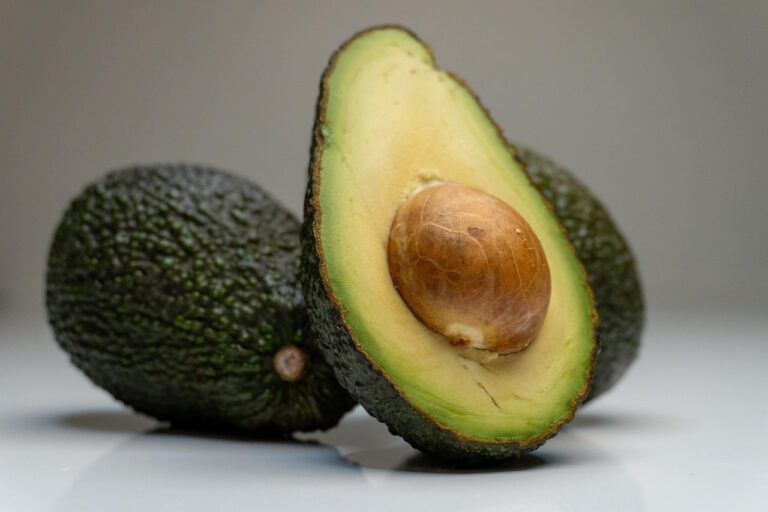
Avocado (½ medium, 100g):
Calories: 160
Protein: 2g
Fat: 15g
Carbs: 9g
Fiber: 7g
Net Carbs: 2g
Key Nutrients: Vitamin K (21mcg, 18% DV), folate (81mcg, 20% DV), potassium (485mg, 14% DV), vitamin C (10mg, 11% DV)
Olives (10 medium, 40g):
Calories: 45
Protein: 0.3g
Fat: 4.5g
Carbs: 1g
Fiber: 0.7g
Net Carbs: 0.3g
Key Nutrients: Vitamin E (0.9mg, 6% DV), iron (0.5mg, 3% DV)
Note: Sodium content varies (300-400mg per serving)
Category 6: Beverages and Condiments
Beverages
Water: Essential, zero calories, carbs, or nutrients (unless mineral water)
Black coffee (8oz/240ml): 2 calories, 0g carbs, some magnesium and potassium
Tea (unsweetened, 8oz/240ml): 0-2 calories, 0g carbs, variable antioxidants
Bone broth (1 cup/240ml): 40 calories, 9g protein, 0-2g carbs, glycine, collagen peptides, minerals
Condiments and Flavorings
Mustard (1 teaspoon/5g): 3 calories, 0g net carbs
Hot sauce (1 teaspoon/5g): 0-1 calorie, 0g net carbs
Apple cider vinegar (1 tablespoon/15g): 3 calories, 0.1g net carbs, acetic acid
Herbs and spices: Generally negligible carbs, packed with phytochemicals
Strategic Considerations for Low-Carb Eating
Nutrients to Monitor on Low-Carb Diets
Electrolytes: Sodium, potassium, magnesium (often depleted initially)
Fiber: Aim for 25-35g daily from low-carb vegetables, nuts, seeds
Phytonutrients: Ensure variety in vegetable colors
Calcium: If limiting dairy, include canned fish with bones, leafy greens, fortified alternatives
Sample Low-Carb Meal Plan (≈30g net carbs)
Breakfast (5g net carbs):
Lunch (8g net carbs):
Dinner (10g net carbs):
Snacks (7g net carbs):
Special Populations Considerations
Athletes: May need more carbs around training
Pregnancy/Lactation: Consult healthcare provider
Kidney disease: Monitor protein intake
Diabetes: Monitor blood glucose closely when changing carb intake
Conclusion: Beyond Carb Counting to Nutritional Excellence
A truly healthy low-carb diet isn’t merely about minimizing carbohydrates—it’s about maximizing nutrient density within a reduced carbohydrate framework. The most successful low-carb approaches prioritize:
Whole Foods: Unprocessed meats, fish, eggs, vegetables, nuts, seeds
Nutrient Density: Choosing foods rich in vitamins, minerals, and phytochemicals
Fiber Adequacy: Including ample low-carb vegetables and seeds
Healthy Fats: Focusing on monounsaturated and omega-3 sources
Protein Quality: Including complete proteins with all essential amino acids
By understanding the comprehensive nutritional profiles of low-carb foods, you can create an eating pattern that supports not just weight management, but overall health, longevity, and vitality. Remember that individual needs vary—what works perfectly for one person may need adjustment for another. Consider working with a registered dietitian or nutritionist to personalize your low-carb approach based on your health status, goals, and preferences.
The most sustainable approach views low-carb not as a restrictive diet, but as a strategic framework for nourishing your body with the nutrients it needs while managing carbohydrate intake for your specific health goals.