Maternal health
Maternal health is a critical component of global health, encompassing the well-being of women during pregnancy, childbirth, and the postpartum period. It’s a complex issue influenced by a multitude of factors, from access to quality healthcare to socio-economic conditions. Addressing maternal health disparities is essential for ensuring healthy families and thriving communities.
Defining Maternal Health:
Maternal health focuses on the health of women during:
- Pregnancy: The period of gestation.
- Childbirth: The process of delivering a baby.
- Postpartum Period: The six weeks following childbirth.
It encompasses the prevention, detection, and treatment of conditions that can affect women’s health during these crucial phases.
Key Elements of Maternal Healthcare:
- Preconception Care:
- Preparing women for healthy pregnancies through counseling on nutrition, lifestyle, and pre-existing medical conditions.
- Addressing reproductive health and family planning needs.
- Antenatal Care (ANC):
- Regular check-ups to monitor the health of the mother and fetus.
- Providing essential services like blood pressure monitoring, ultrasounds, and vaccinations.
- Educating women about healthy pregnancy practices and childbirth preparation.
- Skilled Birth Attendance:
- Ensuring that every birth is attended by a qualified healthcare professional (doctor, midwife, nurse).
- Providing access to emergency obstetric care (EmOC) for complications.
- Postnatal Care (PNC):
- Monitoring the mother’s recovery and the newborn’s health after childbirth.
- Supporting breastfeeding and providing family planning counseling.
- Addressing postpartum complications like infections and depression.
- Family Planning Services:
- Providing access to a range of contraceptive methods.
- Empowering women to make informed choices about their reproductive health.
Factors Affecting Maternal Health:
- Socio-economic Factors:
- Poverty: Limits access to nutritious food, clean water, and healthcare.
- Lack of education: Reduces women’s knowledge about health and rights.
- Gender inequality: Restricts women’s decision-making power and access to resources.
- Healthcare System Factors:
- Limited access to healthcare facilities, especially in rural areas.
- Shortage of skilled birth attendants.
- Inadequate infrastructure and supplies.
- Poor quality of care.
- Cultural and Social Factors:
- Harmful traditional practices.
- Social stigma surrounding reproductive health.
- Lack of support from family and community.
- Environmental Factors:
- Exposure to pollutants and toxins.
- Climate change-related disasters that disrupt healthcare services.
- Conflict and Humanitarian Crises:
- Disruption of health care systems.
- Increased risk of sexual violence.
- Malnutrition.
Consequences of Poor Maternal Health:
- Maternal Mortality: Death of a woman during pregnancy, childbirth, or within 42 days of termination of pregnancy.
- Maternal Morbidity: Illnesses and disabilities related to pregnancy and childbirth.
- Stillbirths and Newborn Deaths: Poor maternal health increases the risk of adverse birth outcomes.
- Long-term Health Problems: Women who experience complications during childbirth may suffer from chronic health conditions.
- Negative Impact on Families and Communities: Maternal death or illness can have devastating effects on families and communities.
Strategies for Improving Maternal Health:
- Strengthening Healthcare Systems:
- Investing in infrastructure and training healthcare professionals.
- Improving access to quality ANC, childbirth, and PNC services.
- Promoting Family Planning:
- Providing access to a wide range of contraceptive methods.
- Educating women about reproductive health.
- Addressing Social Determinants of Health:
- Reducing poverty, improving education, and promoting gender equality.
- Empowering Women:
- Providing women with access to education and decision-making power.
- Improving Nutrition:
- Promoting healthy diets and providing nutritional supplements.
- Community Engagement:
- Involving communities in the design and implementation of maternal health programs.
- Improving emergency transportation systems:
- Making sure that women who have complications can reach a hospital quickly.
- Improving education:
- Educating women about the importance of ANC, and healthy practices.
- Implementing respectful maternity care:
- Ensuring that women are treated with dignity and respect during childbirth.
Global Efforts:
- The World Health Organization (WHO) and other international organizations are working to improve maternal health globally through initiatives such as the Sustainable Development Goals (SDGs).
- These initiatives aim to reduce maternal mortality and improve access to quality maternal healthcare.
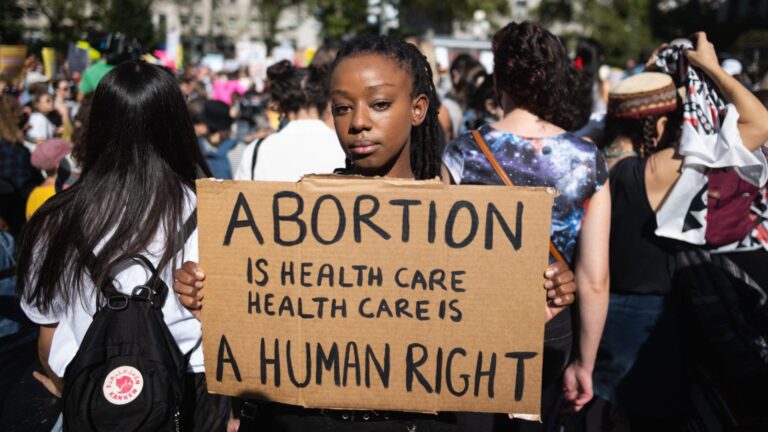
Maternal health is a fundamental human right, and investing in it is essential for creating healthy and prosperous societies.
I hope this information is helpful.