Measles
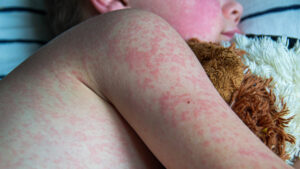
Measles is a highly contagious viral infection that, despite the availability of a safe and effective vaccine, remains a significant public health threat, particularly in developing countries. Understanding its transmission, symptoms, and potential complications is crucial for preventing outbreaks and protecting vulnerable populations.
Understanding Measles:
- Causative Agent:
- Measles virus, a member of the paramyxovirus family.
- Transmission:
- Measles is extremely contagious and spreads through airborne respiratory droplets produced by coughing or sneezing.
- The virus can remain infectious in the air or on surfaces for up to two hours.
- Direct contact with infected nasal or throat secretions can also transmit the virus.
Symptoms:
Measles typically progresses through several stages:
- Incubation Period (10-14 days):
- During this time, the infected person may not exhibit any symptoms.
- Prodromal Stage (2-4 days):
- High fever.
- Cough.
- Runny nose (coryza).
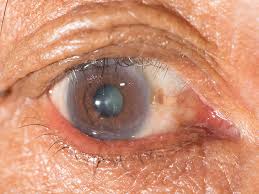
- Red, watery eyes (conjunctivitis).
- Koplik’s spots: Small, white spots with bluish-white centers that appear on the inner lining of the mouth.
- Exanthematous Stage (3-5 days):
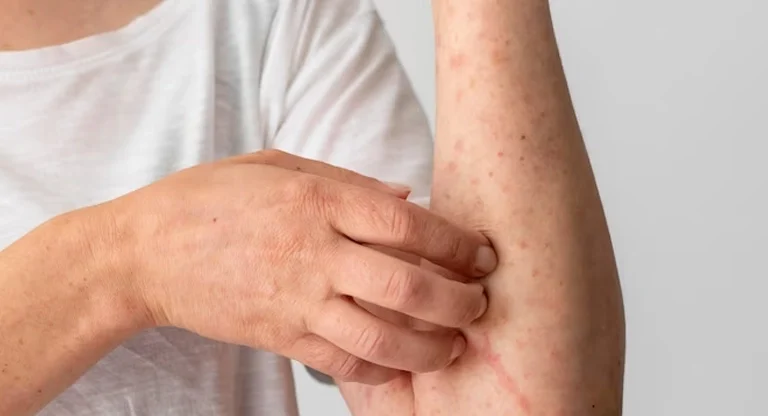
- A characteristic rash appears, starting on the face and spreading down the body.
- The rash consists of flat, red spots that may merge.
- The fever may spike even higher during this stage.
- Recovery Stage:
- The rash gradually fades, and the cough and other symptoms subside.
Complications:
Measles can lead to severe complications, especially in young children, pregnant women, and individuals with weakened immune systems:
1. intelligensis.com
- Pneumonia: A common and potentially life-threatening complication.
- Encephalitis: Inflammation of the brain, which can cause long-term neurological damage.
- Otitis Media (Ear Infections): Can lead to hearing loss.
- Diarrhea and Dehydration: Which can be severe.
- Subacute sclerosing panencephalitis (SSPE): A rare but fatal neurological disease that can develop years after measles infection.
- Pregnancy Complications: Measles during pregnancy can lead to miscarriage, premature birth, or low birth weight.
Diagnosis:
- Clinical Evaluation: Based on the characteristic symptoms and rash.
- Laboratory Tests:
- Blood tests to detect measles antibodies.
- Viral culture.
- RT-PCR (reverse transcription-polymerase chain reaction) to detect the measles virus’s RNA.
Treatment:
- There is no specific antiviral treatment for measles.
- Supportive care is essential:
- Rest.
- Hydration.
- Fever reduction (using acetaminophen or ibuprofen).
- Vitamin A supplementation (particularly important in developing countries).
- Treatment of complications.
Prevention:
- Vaccination:
- The measles, mumps, and rubella (MMR) vaccine is highly effective in preventing measles.
- Two doses of the MMR vaccine are recommended for optimal protection.
- Vaccination is the most effective means to eliminate measles.
- Post-Exposure Prophylaxis:
- In unvaccinated individuals exposed to measles, the MMR vaccine or immunoglobulin can provide protection if administered within a few days of exposure.
- Public Health Measures:
- Isolation of infected individuals to prevent spread.
- Contact tracing to identify and vaccinate individuals who may have been exposed.
- Outbreak response strategies.
Public Health Importance:
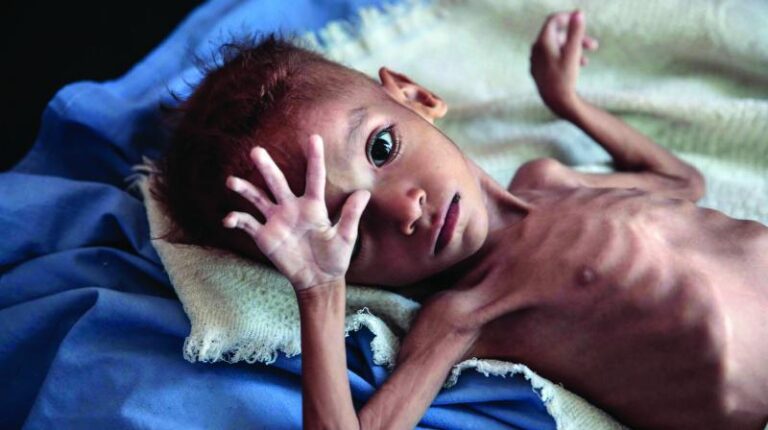
- Measles remains a major cause of childhood morbidity and mortality in many parts of the world.
- Outbreaks can occur in communities with low vaccination rates.
- Maintaining high vaccination coverage is essential for preventing outbreaks and protecting vulnerable populations.
- Global initiatives, led by the World Health Organization (WHO), are working to eliminate measles.
It is crucial to emphasize the importance of vaccination in preventing measles.
I hope this information is helpful.