Men and Urinary Tract Infections: A Comprehensive Guide to Diagnosis, Causes, and Treatment
Introduction: Unmasking a Silent Threat in Men
Urinary Tract Infections (UTIs) in men are often under-recognized and misunderstood. While less common than in women—due to the protective anatomy of a longer urethra—they are clinically significant and should never be dismissed as a simple “female problem.” A UTI in a man, especially one that is recurrent, is almost always a red flag for an underlying anatomical abnormality or systemic health issue. What may present as simple urinary discomfort can be the first sign of a serious condition like an enlarged prostate, kidney stones, or even diabetes.
This detailed guide provides a comprehensive look at male UTIs, exploring the unique risk factors, diagnostic challenges, underlying causes, and evidence-based treatment strategies to empower men with knowledge and promote proactive urological health.
Part 1: Understanding Male UTIs – Definitions and Pathways
A UTI is an infection caused by bacteria, most commonly Escherichia coli (E. coli), in any part of the urinary system: the kidneys, ureters, bladder, or urethra.
Lower UTI: Affects the bladder (cystitis) and urethra (urethritis).
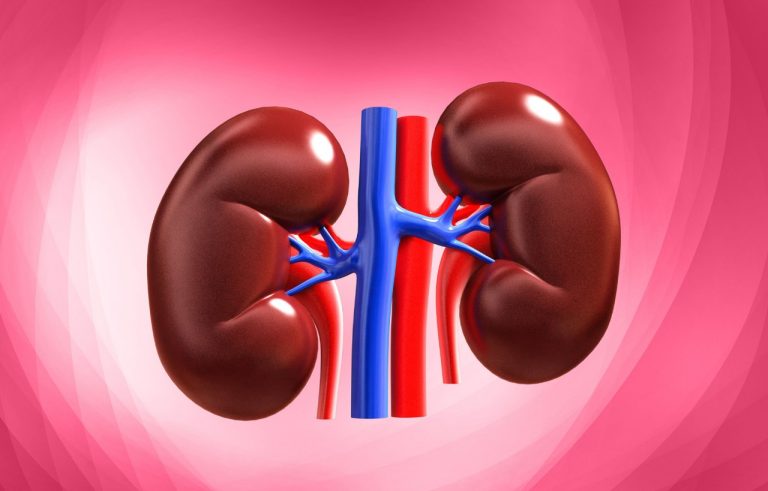
Upper UTI (More Serious): Affects the kidneys (pyelonephritis), which is a systemic infection requiring urgent care.
Key Difference in Men: The male urethra is approximately 20 cm long, compared to 4 cm in women. This length provides a formidable barrier to ascending bacteria, making the spontaneous occurrence of a UTI in a healthy young man exceedingly rare. Therefore, every male UTI warrants investigation.
Part 2: Causes and Risk Factors: Why Men Get UTIs
The development of a UTI in a man requires a confluence of factors that overcome the body’s natural defenses. These can be categorized as obstructive, instrumental, systemic, or behavioral.
1. Obstructive Causes (Impaired Urine Flow):
This is the most common category. Anything that obstructs or impedes the free flow of urine creates stasis, allowing bacteria to multiply.
Benign Prostatic Hyperplasia (BPH): An enlarged prostate gland, common in men over 50, compresses the urethra and prevents complete bladder emptying. Residual urine is a perfect breeding ground for bacteria. BPH is the leading cause of UTIs in older men.
Prostate Cancer: The tumor itself or treatments (radiation, surgery) can cause obstruction or bladder dysfunction.
Urinary Stones (Calculi): Kidney or bladder stones can obstruct flow and harbor bacteria within their biofilms, making infections recurrent and difficult to eradicate.
Urethral Stricture: A narrowing of the urethra from prior infection, trauma (including catheterization), or inflammation, severely restricting urine flow.
2. Instrumentation and Medical Procedures:
Catheterization: The single biggest risk factor for hospital-acquired UTIs. Indwelling or intermittent catheters provide a direct pathway for bacteria into the bladder.
Cystoscopy or Urological Surgery: Any procedure that introduces instruments into the urinary tract can introduce bacteria.
3. Systemic and Neurological Conditions:
Diabetes Mellitus: High glucose in urine acts as a culture medium for bacteria. Diabetes also impairs immune function and can cause neurogenic bladder (loss of normal bladder nerve function).
Immunosuppression: From HIV/AIDS, chemotherapy, or long-term steroid use, reducing the body’s ability to fight infection.
Neurological Disorders: Spinal cord injury, multiple sclerosis, or stroke can lead to neurogenic bladder, where incomplete emptying or urinary retention occurs.
4. Behavioral and Sexual Factors:
Unprotected Anal Intercourse: This can introduce rectal bacteria (like E. coli) into the urethra.
Lack of Circumcision: While the data is nuanced, an uncircumcised penis may have a higher risk of harboring uropathogenic bacteria under the foreskin, which can ascend the urethra.
Dehydration: Concentrated urine and infrequent voiding reduce the natural flushing action of urination.
Part 3: Symptoms and Diagnosis – Not Always Straightforward
Common Symptoms:
Dysuria: Burning or pain with urination.
Urinary Frequency & Urgency: Feeling the need to urinate often and urgently.
Nocturia: Waking up multiple times at night to urinate.
Cloudy, foul-smelling, or bloody urine (hematuria).
Suprapubic pain or pressure (discomfort in the lower abdomen).
Fever, chills, flank pain, nausea/vomiting: These are emergency symptoms suggesting the infection may have reached the kidneys (pyelonephritis).
The Diagnostic Imperative:
Because a UTI in a man is abnormal, diagnosis must be precise and look for the underlying cause.
Urinalysis (UA): Checks for white blood cells (pyuria), red blood cells, and nitrites (a byproduct of some bacteria).
Urine Culture and Sensitivity: The gold standard. Identifies the specific bacteria causing the infection and determines which antibiotics it is sensitive to. This is critical for effective treatment.
Post-Void Residual (PVR) Measurement: Using a bladder ultrasound, this test measures how much urine is left in the bladder after voiding. A high PVR (>100-150 mL) indicates incomplete emptying and is a major risk factor.
Imaging: Often recommended for a first UTI in a man or for recurrent infections.
Renal/Bladder Ultrasound: To check for kidney stones, hydronephrosis (swelling of the kidney due to backup of urine), prostate size, and PVR.
CT Urogram: Provides more detailed images of the entire urinary tract to identify stones, obstructions, or masses.
Cystoscopy: A thin, flexible scope is inserted into the urethra to visually inspect the urethra, prostate, and bladder for strictures, stones, or tumors.
Part 4: Treatment and Management – Eradicating Infection and Addressing the Cause
Treatment is two-fold: 1) Eradicate the acute infection, and 2) Identify and manage the underlying cause to prevent recurrence.
Acute Infection Treatment:
Antibiotics: The cornerstone. The choice is guided by culture and sensitivity results. Common antibiotics include:
Trimethoprim/sulfamethoxazole (Bactrim)
Fluoroquinolones (Ciprofloxacin, Levofloxacin) – used less frequently now due to side effect profiles.
Nitrofurantoin (Macrobid) – for lower UTIs only.
Cephalosporins (Cefdinir, Ceftriaxone)
Pivmecillinam (common first-line outside the U.S.).
Duration: Treatment is typically longer for men than for women (often 7-14 days) due to the higher risk of prostate involvement (bacterial prostatitis), which requires prolonged therapy.
Management of Underlying Causes (Preventing Recurrence):
For BPH: Medications (alpha-blockers like tamsulosin, 5-alpha reductase inhibitors like finasteride) or surgical procedures (TURP, Rezūm, UroLift) to relieve obstruction.
For Stones: Surgical or non-invasive procedures to remove the stones (lithotripsy, ureteroscopy).
For Strictures: Dilation or surgical reconstruction of the urethra.
For Catheter-Associated UTI: Meticulous catheter care, using closed systems, and removing the catheter as soon as medically possible.
For Neurogenic Bladder: Intermittent self-catheterization on a strict schedule to ensure complete bladder emptying.
General Prevention:
Hydration: Drink plenty of water to dilute urine and promote frequent voiding.
Void after intercourse: Helps flush bacteria from the urethra.
Proper Hygiene: For uncircumcised men, retracting and cleaning the foreskin regularly.
Part 5: Special Considerations: Prostatitis and Recurrent UTIs
Bacterial Prostatitis: The prostate can become infected simultaneously with a UTI. It requires longer antibiotic courses (4-6 weeks or more) with drugs that penetrate prostatic tissue well (e.g., fluoroquinolones, trimethoprim). Chronic bacterial prostatitis is a challenging cause of recurrent UTIs in men.
Recurrent UTIs: Defined as ≥2 infections in 6 months or ≥3 in one year. This is a major indicator of an unresolved underlying issue. A full urological workup (imaging, cystoscopy) is mandatory. Long-term, low-dose antibiotic prophylaxis or post-coital antibiotics may be considered only after anatomical issues are ruled out or addressed.
Conclusion: A Call for Vigilance and Proactive Care
A urinary tract infection in a man is never just an infection; it is a symptom demanding an explanation. The clinical approach must move beyond simply prescribing antibiotics to actively investigating the “why.” By understanding the significant risk factors—primarily obstruction from BPH—and insisting on a proper diagnostic workup, men and their healthcare providers can not only treat the immediate infection but also uncover and manage potentially serious underlying conditions. This proactive stance is key to preserving long-term urological and renal health, ensuring that a simple UTI does not become a recurring nightmare or a sign of a missed, treatable disease.
When to See a Doctor Immediately:
First-ever symptoms of a UTI.
Fever >100.4°F (38°C) with urinary symptoms.
Severe flank pain, nausea, or vomiting.
Symptoms that do not improve within 48 hours of starting antibiotics.
History of recurrent UTIs.