Mental Health
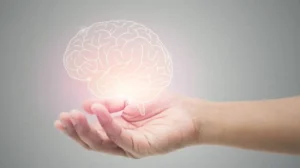
Mental health is a state of well-being in which an individual realizes their own abilities, can cope with the normal stresses of life, can work productively, and is able to make a contribution to their community. It is more than just the absence of mental illness; it encompasses emotional, psychological, and social well-being. Understanding and prioritizing mental health is essential for leading a fulfilling and productive life.
Understanding Mental Health:
- Holistic Approach:
- Mental health is interconnected with physical health and social well-being.
- It is influenced by a complex interplay of genetic, biological, psychological, and social factors.
- Continuum:
- Mental health exists on a continuum, ranging from optimal well-being to severe mental illness.
- Everyone experiences fluctuations in their mental health.
- Dynamic Process:
- Mental health is not static; it can change over time in response to life experiences.
Factors Affecting Mental Health:
- Biological Factors:
- Genetic predispositions.
- Brain chemistry imbalances.
- Chronic physical illnesses.
- Psychological Factors:
- Trauma and abuse.
- Stressful life events.
- Negative thinking patterns.Low self-esteem.
- Social Factors:
- Social isolation and loneliness.
- Poverty and socioeconomic inequality.
- Discrimination and stigma.
- Lack of access to support systems.
- Cultural expectations.
Common Mental Health Conditions:
- Anxiety Disorders:
- Generalized anxiety disorder (GAD).
- Panic disorder.
- Social anxiety disorder.
- Post-traumatic stress disorder (PTSD).
- Obsessive-compulsive disorder (OCD).
- Mood Disorders:
- Major depressive disorder.
- Bipolar disorder.
- Dysthymia.
- Psychotic Disorders:
- Schizophrenia.
- Schizoaffective disorder.
- Personality Disorders:
- Borderline personality disorder.
- Antisocial personality disorder.
- Substance Use Disorders:
- Addiction to drugs or alcohol.
- Eating Disorders:
- Anorexia nervosa.
- Bulimia nervosa.
Signs and Symptoms:
- Persistent sadness or low mood.
- Excessive worry or anxiety.
- Changes in sleep patterns.
- Changes in appetite or weight.
- Loss of interest in activities.
- Difficulty concentrating.
- Feelings of worthlessness or guilt.
- Social withdrawal.
- Irritability or anger.
- Thoughts of self-harm or suicide.
Promoting Mental Health:
- Self-Care:
- Prioritizing sleep, nutrition, and exercise.
- Practicing relaxation techniques, such as meditation or yoga.
- Engaging in enjoyable activities.
- Building Healthy Relationships:
- Connecting with supportive friends and family.
- Establishing healthy boundaries.
- Seeking professional help for relationship issues.
- Managing Stress:
- Developing coping mechanisms.
- Setting realistic goals.
- Practicing time management.
- Seeking Professional Help:
- Therapy (e.g., cognitive behavioral therapy, interpersonal therapy).
- Medication (e.g., antidepressants, anti-anxiety medications).
- Support groups.
- Creating Supportive Environments:
- Reducing stigma and discrimination.
- Promoting mental health awareness.
- Providing access to mental health services.
The Importance of Seeking Help:
- Mental health conditions are treatable.
- Early intervention can prevent worsening symptoms.
- Seeking help is a sign of strength, not weakness.
- Professional help can improve quality of life.
Global Mental Health:
- Mental health is a global public health priority.
- Many people worldwide lack access to mental health services.
- Cultural and societal factors influence mental health beliefs and practices.
- Addressing mental health disparities is crucial for achieving health equity.
By understanding the complexities of mental health and taking proactive steps to promote well-being, individuals and communities can create a healthier and more supportive environment for everyone.
I hope this information is helpful.