Muscle Supplements: A Comprehensive Guide to Benefits, Risks, and Realities
Introduction: The Supplement Paradox
The global sports nutrition market has exploded to over $50 billion, promising faster muscle growth, enhanced performance, and sculpted physiques. Yet beneath the glossy marketing lies a complex landscape of science, hype, and potential harm. This comprehensive guide separates evidence-based supplementation from dangerous trends, examining what works, what doesn’t, and what could potentially harm you.
Section 1: The Supplement Spectrum – Categories and Classifications
Legal Status and Regulation
The DSHEA Act (1994) Reality:
Manufacturers don’t need FDA approval before selling
FDA can only act against “adulterated or misbranded” products after market
No requirement to prove efficacy or long-term safety
Result: Buyer beware marketplace
Supplement Categories by Risk Profile
Category 1: Generally Recognized as Safe (GRAS)
Creatine monohydrate
Protein powders (whey, casein, plant)
Essential amino acids (EAAs)
Beta-alanine
Caffeine
Category 2: Mixed Evidence/Safety Concerns
Testosterone boosters (DHEA, tribulus, fenugreek)
Pre-workout “proprietary blends”
Fat burners (synephrine, yohimbine)
SARMs (Selective Androgen Receptor Modulators)
Category 3: Banned/Dangerous
Prohormones (androsterone, 1-testosterone)
Stimulant analogues (DMAA, DMHA)
Research chemicals sold as supplements
Section 2: The Evidence-Based Foundation – Proven Supplements
1. Creatine Monohydrate – The Gold Standard
How It Works:
Increases phosphocreatine stores for ATP regeneration
Draws water into muscle cells (volumizing effect)
May enhance satellite cell signaling
Proven Benefits:
10-15% increase in strength/power output
5-15% improvement in high-intensity exercise capacity
Possible neuroprotective effects
Evidence Level: A (Highest possible)
Standard Protocol:
Side Effects:
Common: Water retention (intracellular, not subcutaneous)
Less Common: Gastrointestinal distress (if taken without food/water)
Myth Debunked: Does NOT cause kidney damage in healthy individuals
Contraindications: Pre-existing kidney disease
Form Considerations:
Monohydrate: Most researched, cheapest
HCl, nitrate, etc.: More expensive, less evidence
2. Protein Supplements – Convenience, Not Magic
Types and Differences:
Whey Protein:
Concentrate (WPC): 70-80% protein, some lactose/fat
Isolate (WPI): 90%+ protein, minimal lactose
Hydrolysate: Predigested, fastest absorption
Best for: Post-workout, general supplementation
Casein Protein:
Slow-digesting (forms gel in stomach)
Provides sustained amino acid release
Best for: Before bed, between meals
Plant Proteins:
Pea: High in BCAAs, comparable to whey for hypertrophy
Rice: Often combined with pea for complete amino profile
Soy: Complete protein, phytoestrogen concerns overblown
Hemp: Contains omega-3s, lower protein percentage
Realistic Expectations:
Not superior to whole food protein for muscle growth
Convenience advantage: Portable, shelf-stable, precise dosing
Timing: Less critical than total daily intake (1.6-2.2g/kg bodyweight)
Side Effects:
Digestive issues: Lactose intolerance (whey), gas (plant proteins)
Heavy metal contamination: Some plant proteins (especially rice) test high
Quality variance: Protein spiking (adding cheaper amino acids)
Kidney stress: Only in pre-existing kidney disease at very high intakes
3. Beta-Alanine – The Tingle Factor
Mechanism:
Benefits:
Dosing:
Side Effects:
Universal: Paresthesia (tingling, flushing) – harmless but uncomfortable
Rare: Gastrointestinal distress at high doses
No known long-term risks
4. Caffeine – The Original Performance Enhancer
Performance Effects:
3-6% increase in strength/power
2-3% improvement in endurance
Enhanced focus and perceived exertion
Optimal Dosing:
3-6mg/kg bodyweight 30-60 minutes pre-exercise
Example: 200-400mg for 70kg person
Tolerance develops: Cycle usage (2 weeks on, 1 week off)
Side Effects:
Common: Anxiety, jitters, insomnia, increased heart rate
Withdrawal: Headaches, fatigue (after habitual use)
Cardiac concerns: In sensitive individuals or with pre-existing conditions
Dehydration myth: Mild diuretic effect doesn’t cause meaningful dehydration
Section 3: The Gray Area – Supplements with Mixed Evidence
Testosterone “Boosters” – Marketing vs. Reality
Common Ingredients and Evidence:
DHEA (Dehydroepiandrosterone):
Mechanism: Prohormone to testosterone
Reality: Increases testosterone in deficient older men only
Side Effects: Acne, hair loss, estrogen conversion
Legal Status: Banned in sports
Tribulus Terrestris:
Claim: Increases luteinizing hormone (LH)
Evidence: No effect on testosterone in human studies
Possible effects: Libido enhancement via different mechanisms
Side Effects: Generally mild GI distress
Fenugreek:
Evidence: Modest free testosterone increases in some studies
Mechanism: Possibly via SHBG reduction
Dose: 500-600mg daily
Side Effects: Maple syrup odor in sweat/urine, GI issues
Ashwagandha:
Best evidence: Stress reduction (cortisol lowering)
Secondary effect: May modestly increase testosterone via reduced cortisol
Dose: 300-600mg daily
Side Effects: Generally well-tolerated, rare sedation
The Harsh Truth:
Healthy young men: No significant testosterone increase from legal boosters
Older/deficient men: Small possible benefits
Real risk: Proprietary blends hiding ineffective doses
BCAAs (Branched-Chain Amino Acids) – The Controversy
What They Are: Leucine, isoleucine, valine
Claims vs. Evidence:
Claim: Stimulate muscle protein synthesis
Reality: Leucine does, but complete protein does better
Claim: Reduce muscle soreness
Evidence: Mixed, possibly minor effect
Claim: Prevent muscle breakdown during training
Reality: Minimal unless training fasted for extended periods
When They Might Help:
Fasted training (intermittent fasters)
Very high training volumes
As intra-workout for endurance athletes
Side Effects:
Nitric Oxide Boosters (L-arginine, L-citrulline, Beetroot)
The Science:
Performance Effects:
Minimal for strength: Primarily aesthetic (pump)
Endurance benefits: Beetroot juice shows 1-3% improvement
Recovery: Possible reduction in soreness
Dosing:
Side Effects:
GI distress: Common with arginine, less with citrulline
Blood pressure: Significant drop in hypotensive individuals
Kidney issues: Theoretical concern with pre-existing conditions
Section 4: The Danger Zone – High-Risk Supplements
Prohormones – Legal Steroids?
What They Are: Precursors to active steroid hormones
Common Examples (often disguised):
Risks (Identical to Anabolic Steroids):
Liver toxicity: Hepatotoxic, especially 17-alpha alkylated versions
Cardiovascular: Increased LDL, decreased HDL, hypertension
Endocrine disruption: Natural testosterone shutdown
Psychological: Aggression, mood swings
Physical: Acne, hair loss, gynecomastia
The Legal Loophole:
Often sold as “prohormones” but actually active steroids
Marketed as “legal” but frequently contain banned substances
Reality: Just as dangerous as black market steroids
SARMs (Selective Androgen Receptor Modulators)
The Promise: Steroid-like effects without side effects
The Reality:
Not selective in humans: Affect all androgen-sensitive tissues
Similar side effects: Testosterone suppression, lipid changes
Purity issues: Often contaminated with prohormones or research chemicals
Long-term risks: Unknown (minimal human research)
Common SARMs:
Stimulant Cocktails – Pre-Workout Roulette
The Problem: Proprietary blends with excessive stimulants
Common Dangerous Ingredients:
DMAA (1,3-dimethylamylamine):
Effects: Extreme vasoconstriction, increased blood pressure
Risks: Stroke, heart attack, death (multiple FDA warnings)
Status: Banned but still appears in products
DMHA (Octodrine, 2-aminoisoheptane):
Synephrine (Bitter Orange):
Effects: Similar to ephedrine but weaker
Risks: Hypertension, cardiac events (especially combined with caffeine)
Yohimbine:
Alpha-2 antagonist: Increases norepinephrine
Risks: Severe anxiety, panic attacks, hypertension
Dangerous in: Anyone with anxiety or heart conditions
The “Stacking” Danger:
Multiple stimulants with synergistic/summative effects
Blood pressure spikes exceeding safe limits
Masked fatigue leading to overtraining/injury
Diuretics and Water Manipulation
Used for: Competition weight cutting, “dry” look
Types:
Prescription diuretics (Lasix/furosemide)
Herbal diuretics (dandelion, horsetail)
Water loading/depletion protocols
Dangers:
Electrolyte imbalance: Potassium depletion → cardiac arrhythmia
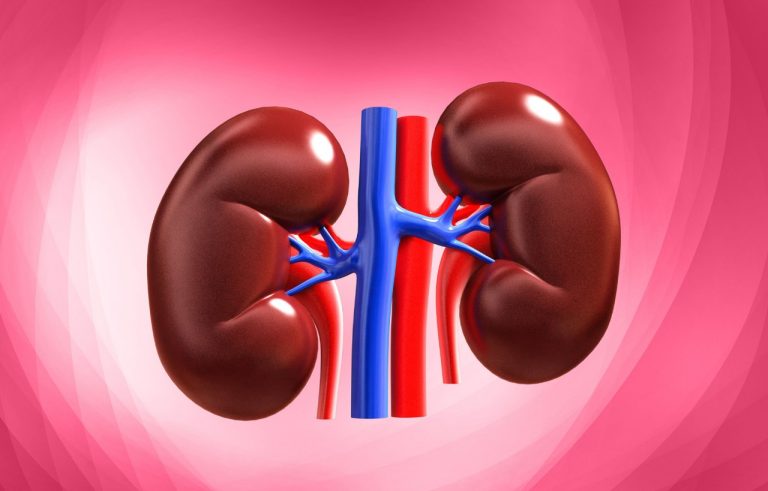
Kidney stress: Dehydration → acute kidney injury
Performance: Severe strength/power loss
Death risk: Multiple documented fatalities in combat sports
Section 5: Organ-Specific Risks and Long-Term Consequences
Hepatotoxicity (Liver Damage)
Most Dangerous For Liver:
Oral steroids/prohormones (especially 17-alpha alkylated)
Green tea extract in very high doses (rare but documented)
Multi-ingredient “fat burners” with unknown additives
Mechanisms:
Symptoms:
Nephrotoxicity (Kidney Damage)
Risk Factors:
Excessive protein intake: Myth for healthy kidneys, risk for pre-existing disease
Creatine: Safe for healthy kidneys, caution with pre-existing conditions
Stimulants: Dehydration and blood pressure effects
Anti-inflammatory overdose: NSAIDs in pain/soreness supplements
Mechanisms:
Increased glomerular pressure
Tubular damage from metabolites
Crystal formation (certain compounds)
Cardiovascular Risks
Direct Cardiac Effects:
Stimulants: Increased heart rate, blood pressure, arrhythmia risk
Steroids/SARMs: Left ventricular hypertrophy, decreased function
Vascular Effects:
Blood Pressure:
Endocrine Disruption
Hypothalamic-Pituitary-Gonadal (HPG) Axis Suppression:
Mechanism: Negative feedback from exogenous androgens
Result: Natural testosterone production shutdown
Recovery: Months to years, sometimes incomplete
Thyroid Function:
Estrogen Issues:
Aromatization: Testosterone conversion to estrogen
Gynecomastia: Breast tissue development in males
Water retention: Estrogenic effects
Psychological and Neurological Effects
“Roid Rage”:
Dependence:
Neurotoxicity:
Section 6: Quality Control and Contamination Issues
The Purity Problem
Protein Spiking:
Adding cheaper amino acids (glycine, taurine) to increase protein content
Detection: Nitrogen testing doesn’t differentiate amino acids
Heavy Metal Contamination:
Plant proteins: Rice protein often high in arsenic, lead
Marine sources: Fish oil with mercury, PCBs
Regulation: No mandatory testing
Microbial Contamination:
Label Accuracy Studies
Independent Testing Findings:
2015 study: 80% of herbal supplements contained none of the labeled herb
Common substitutions: Rice powder, house plants, filler
Dose variance: Actual content ±40% of labeled amount
Third-Party Verification Programs:
NSF Certified for Sport: Tests for banned substances
USP Verified: Tests for purity, potency
Informed-Choice: Similar to NSF
Cost: Certification adds 10-30% to product cost
The Proprietary Blend Deception
The Trick: Listing ingredients without amounts
Example: “Anabolic Matrix: 1000mg” (containing 10 ingredients)
Problem: Impossible to know effective doses
Common: Burying effective ingredients in subthreshold doses
Section 7: Population-Specific Considerations
Adolescents and Young Adults
Special Risks:
Endocrine disruption: Can affect development
Psychological: Body image issues amplified
Long-term consequences: Unknown effects on developing systems
What’s Particularly Dangerous:
Anything hormonal (testosterone boosters, SARMs)
Excessive stimulants (developing cardiovascular systems)
Reality: Most supplements unnecessary for this population
Women
Special Considerations:
Androgenic effects: Acne, voice changes, hair growth (from prohormones)
Menstrual cycle disruption: Common with hormonal products
Pregnancy/breastfeeding: Most supplements not studied
Generally Safer Options:
Creatine (same benefits, same safety profile)
Protein (may need less than men)
Caffeine (lower absolute doses needed)
Older Adults (50+)
Potential Benefits:
Creatine: May help with sarcopenia
Protein: Higher needs to combat anabolic resistance
Vitamin D: Often deficient, affects muscle function
Increased Risks:
Stimulants: Cardiovascular sensitivity increases with age
Kidney function: Naturally declines, need dose adjustments
Polypharmacy: Supplement-drug interactions
Competitive Athletes
The Banned Substance Risk:
Unintentional doping: Contaminated supplements
Strict liability: You’re responsible for anything in your body
Career-ending consequences: Even for “didn’t know” situations
Safe Choices:
NSF Certified for Sport or similar
Single-ingredient products over blends
Research every ingredient on WADA prohibited list
Section 8: A Rational Supplement Strategy
The Foundation First Principle
Before any supplements:
Nutrition: Whole food diet meeting calorie/macro needs
Training: Progressive, consistent program
Recovery: Sleep, stress management, deloads
Lifestyle: Avoid excessive alcohol, smoking, etc.
Evidence-Based Stack by Goal
General Health/Performance:
Creatine monohydrate: 5g daily
Protein powder: As needed to hit protein targets
Vitamin D: 1000-2000 IU if deficient
Omega-3: 1-2g EPA+DHA if low fish intake
Strength/Power Focus:
Creatine: 5g daily
Beta-alanine: 4-6g daily (split doses)
Caffeine: 3-6mg/kg pre-workout (cycled)
Endurance:
Beetroot juice/powder: 3-5g (300-500mg nitrate) pre-training
Beta-alanine: Same as above
Carbohydrate-electrolyte drinks: During prolonged exercise
Aging Population (Sarcopenia focus):
Creatine: 5g daily
Leucine: 2.5g with meals
Protein: 1.2-1.6g/kg (supplement if needed)
Vitamin D: As tested/needed
The “Test, Don’t Guess” Approach
Baseline Testing (Before Starting Anything):
Complete blood count (CBC)
Comprehensive metabolic panel (liver/kidney function)
Lipid profile
Testosterone/estrogen (if considering hormone-affecting supplements)
Vitamin D
Monitoring:
Repeat every 3-6 months if using anything beyond basic supplements
Immediate cessation if liver/kidney values elevate
Regular blood pressure monitoring with stimulant use
Red Flags and When to Stop
Immediate Discontinuation Signs:
Chest pain, palpitations, severe headache
Jaundice, dark urine, abdominal pain
Unexplained aggression, severe mood changes
Any sign of an allergic reaction
Medical Attention Needed For:
Supplement use plus pre-existing conditions
Stacking multiple products
Using anything from the “danger zone”
Competitive athletes (professional guidance needed)
Section 9: The Future of Muscle Supplements
Emerging with Promise
HMB (β-Hydroxy β-Methylbutyrate):
Collagen Peptides:
Emerging evidence for connective tissue/tendon health
Possible synergy with vitamin C
Not for muscle building per se
Nootropics for Focus:
L-theanine (with caffeine for smooth energy)
Alpha-GPC (choline source)
Caution: Research chemicals marketed as nootropics
Regulatory Changes Needed
Wish List for Safer Industry:
Mandatory pre-market safety data
Standardized ingredient testing
Clearer labeling laws (actual amounts required)
Stricter penalties for spiking/contamination
Personalized Supplementation
Future Direction:
Genetic testing for response variants (e.g., creatine non-responders)
Microbiome analysis for absorption differences
Regular biomarker monitoring with AI-driven recommendations
Conclusion: An Empowered, Educated Approach
The supplement industry thrives on insecurity, promising shortcuts to physiques that actually require years of disciplined training and nutrition. While certain supplements have legitimate, evidence-based benefits, they are exactly that—supplements to a solid foundation, not replacements for it.
The Bottom Line:
95% of results come from training, nutrition, recovery—not supplements
Only 5-10 supplements have strong evidence for efficacy
The risk-reward ratio favors extreme caution with anything beyond the basics
When in doubt: Less is more, and whole foods beat powders
Final Recommendations:
Start with creatine and protein if you need convenience
Add beta-alanine and caffeine if you want performance edges
Avoid anything that: Promises steroid-like results, uses proprietary blends, or has a history of safety issues
Consult professionals: Sports dietitian for nutrition, doctor for health concerns
Remember: The most powerful “supplement” is patience. Real muscle development is measured in years, not weeks. The supplements that truly matter—consistency in training, adequacy in nutrition, and quality in recovery—can’t be bought in a tub, but they’re the only ones guaranteed to deliver lasting results without compromising your health.