The Vital Link: A Comprehensive Guide for Pregnant and Nursing Mothers
Introduction: The Science and Soul of Nourishment
The journey through pregnancy and breastfeeding is a profound biological and emotional metamorphosis. During this period, a woman’s body becomes the primary source of life, protection, and development for her child—first as a protective womb and then as a dynamic, nutrient-producing system. Understanding the interconnected needs of both mother and baby during these critical stages is not merely about health; it’s about laying the foundation for a child’s lifelong well-being and empowering a mother to thrive, not just survive, this transformative time.
This detailed guide synthesizes current medical and nutritional science to provide a holistic roadmap for pregnant and nursing mothers, covering physiology, nutrition, mental health, and the transition from womb to world.
Part 1: Pregnancy – Building the Foundation
Pregnancy is a state of anabolic construction, where every system adapts to support fetal growth. Optimal health during these 40 weeks is an active investment.
Key Physiological Changes & Needs:
Increased Blood Volume: Rises by ~50%, increasing needs for iron and fluid.
Metabolic Acceleration: Basal metabolic rate increases, requiring ~300 extra calories daily in the 2nd/3rd trimesters.
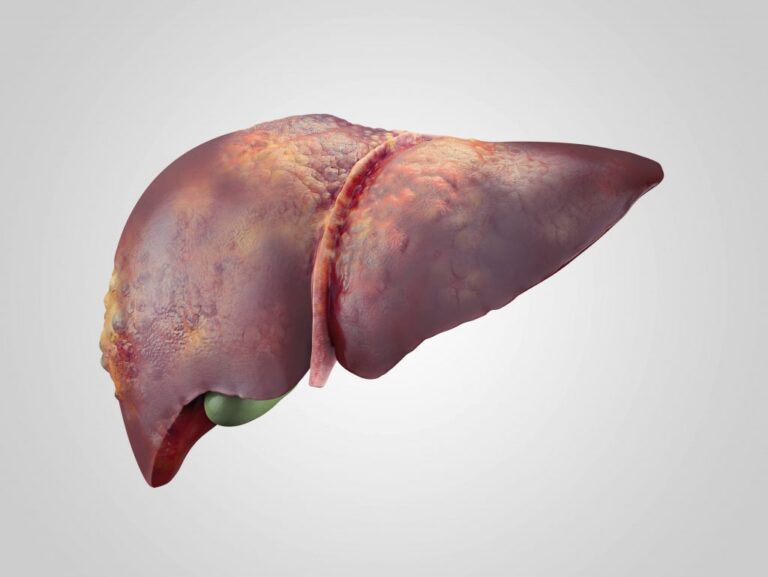
Organ Support: The kidneys, liver, and cardiovascular system work under increased load.
Placental Function: This vital organ transfers nutrients and oxygen; its health is paramount.
Prenatal Nutrition: The Building Block Philosophy
A “food-first” approach is ideal, with prenatal vitamins as a safety net.
Essential Nutrients & Their Roles:
Folic Acid (Folate): Critical in the first 28 days for preventing neural tube defects (spina bifida). Required: 600 mcg/day. Sources: Leafy greens, citrus, beans, fortified grains.
Iron: Supports expanded maternal blood volume and fetal iron stores. Required: 27 mg/day (a significant increase). Sources: Lean red meat, lentils, spinach. Pair with Vitamin C (bell peppers, oranges) to enhance absorption.
Calcium & Vitamin D: For fetal bone/tooth development and maternal bone preservation. Required: 1,000 mg Calcium, 600 IU Vitamin D. Sources: Dairy, fortified plant milks, sardines; Vitamin D from sun, fatty fish, eggs.
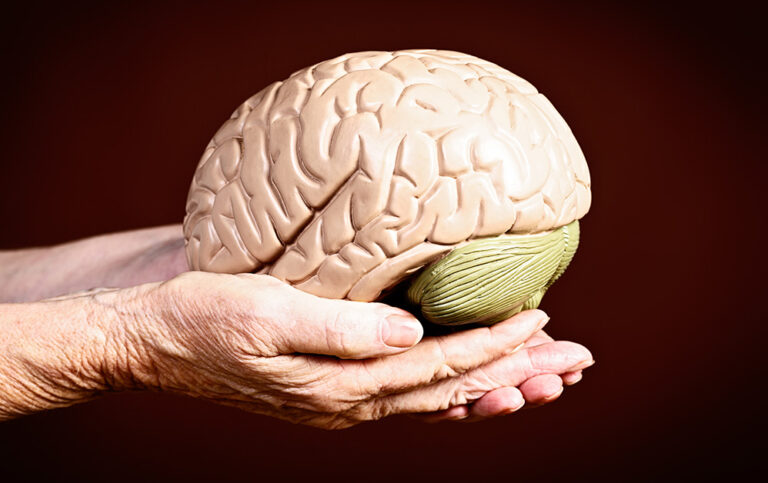
Choline: Crucial for brain development and preventing neural tube defects. Required: 450 mg/day. Sources: Eggs, lean beef, chicken, soybeans.
Omega-3 DHA: Essential for fetal brain and retinal development. Required: 200-300 mg/day. Sources: Low-mercury fish (salmon, sardines), algae-based supplements.
Protein: Building block for every fetal cell. Required: An extra 25 grams/day. Sources: Lean meats, poultry, fish, eggs, dairy, legumes, tofu.
Foods to Avoid: High-mercury fish (swordfish, king mackerel), unpasteurized dairy/cheeses, deli meats (unless heated), raw sprouts, and excess caffeine (<200 mg/day).
Part 2: The Postpartum & Breastfeeding Continuum – Nurturing the Newborn
Birth marks a transition from prenatal construction to postnatal nourishment. Lactation is a metabolically demanding process that continues the mother’s role as the child’s primary biological lifeline.
The Physiology of Lactation:
Prolactin: The “milk-making” hormone. Levels surge with infant suckling, establishing and maintaining supply.
Oxytocin: The “let-down” or “love” hormone. Causes milk ejection and promotes bonding. Stress and anxiety can inhibit its release.
Lactation Nutrition: Fueling Production
Breastfeeding requires more daily energy than pregnancy—approximately 500 extra calories per day—derived from a balanced, nutrient-dense diet.
Hydration is Paramount: Thirst guides intake. Aim for clear, pale urine. Keep water accessible at every feeding station.
Key Nutrients for Milk Quality & Maternal Recovery:
Protein & Healthy Fats: Remain crucial. Omega-3s in breast milk directly support infant neurodevelopment.
Vitamin B12 (for vegan/vegetarian mothers): Essential for neurological function. Supplementation is often required.
Iodine: Critical for infant thyroid and brain development. Use iodized salt and consider a prenatal that contains iodine.
Calcium: Maternal bones can demineralize if intake is insufficient; maintain 1,000 mg/day.
The “What You Can Eat” Myth: While a healthy maternal diet is best, breast milk composition is remarkably resilient. However, certain strong flavors (garlic, spices) can pass to milk, which may be stimulating for some infants. True food allergies in breastfed infants (often reacting to cow’s milk protein passed via mother’s diet) are possible but not common.
Part 3: The Unseen Essentials: Mental and Physical Wellbeing
The health of the mother’s mind and body is the bedrock of her capacity to care for her child.
Mental Health: Perinatal Mood and Anxiety Disorders (PMADs)
Scope: Includes postpartum depression (PPD), anxiety, OCD, and psychosis. Affects 1 in 5-7 mothers. It is a medical complication, not a character flaw.
Risk Factors: History of depression/anxiety, hormonal shifts, sleep deprivation, lack of support.
Action: Screening is critical. The Edinburgh Postnatal Depression Scale (EPDS) is a standard tool. Treatment includes therapy (CBT, IPT), support groups, and medication (many are compatible with breastfeeding). Immediate help is needed for thoughts of harming oneself or the baby.
Physical Recovery & Exercise:
Postpartum Healing: Allow 6-8 weeks for initial recovery. Focus on pelvic floor rehabilitation, especially after vaginal birth. Diastasis recti (abdominal separation) should be assessed and managed with specific exercises.
Safe Exercise: Gradual return to activity supports cardiovascular health, mood, and sleep. Walking is an excellent start. Moderate exercise does not affect milk supply and may enhance milk quality.
Sleep & Rest:
Part 4: Navigating Common Challenges
Morning Sickness (NVP): Frequent small snacks, ginger, B6 supplements, and prescription medication (Diclegis) for severe cases (Hyperemesis Gravidarum).
Establishing Milk Supply: Frequent, effective nursing (8-12x/24hr) in the early weeks is key. Seek help from a Lactation Consultant (IBCLC) for latch issues, pain, or low supply concerns.
Medication Safety: The Hale Lactation Risk Categories are the clinical standard. Always consult with a healthcare provider; most common medications are compatible with breastfeeding.
Returning to Work: Understand pumping rights (Break Time for Nursing Mothers law). Build a freezer stash gradually. A high-quality double electric pump is a worthwhile investment.
Part 5: The Support Ecosystem – It Takes a Village
Maternal health is a communal responsibility.
Partner Support: Emotional sharing, logistical help (meals, chores), and nighttime assistance.
Professional Support: Regular prenatal/postpartum checkups, IBCLCs, mental health therapists, and postpartum doulas.
Community Support: Mother’s groups, peer counseling (La Leche League), and online communities to combat isolation.
Conclusion: The Dual Mandate of Care
The periods of pregnancy and nursing represent a unique biological partnership. The mandate is clear: to care for the child, one must diligently care for the mother. This is not an act of self-indulgence but of biological necessity and profound wisdom. By prioritizing comprehensive nutrition, safeguarding mental health, honoring the body’s need for rest, and building a robust support network, society empowers mothers to fulfill their vital role with strength and vitality. The goal is not merely a healthy baby, but a healthy, resilient mother-baby dyad, prepared to thrive together.
Key Resources:
Academy of Nutrition and Dietetics: Find a prenatal/postnatal RD.
Postpartum Support International (PSI): Helpline and provider directory.
La Leche League International: Breastfeeding support and education.
American College of Obstetricians and Gynecologists (ACOG): Clinical guidelines and patient resources.
Disclaimer: This article is for informational purposes only and is not a substitute for professional medical advice, diagnosis, or treatment. Always seek the advice of your physician, midwife, or other qualified health provider with any questions regarding your pregnancy, breastfeeding, or personal health.