Prostate Cancer: A Comprehensive Guide to Understanding, Treatment, and Prevention
Introduction: The Modern Paradox of Prostate Cancer
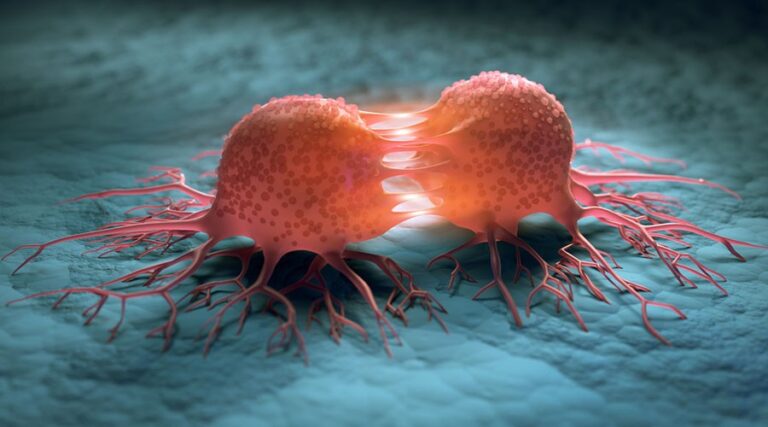
Prostate cancer is the most common non-skin cancer diagnosed in men, representing a complex and often paradoxical disease. While it remains the second leading cause of cancer death in men, it is also a cancer where many tumors are slow-growing and may never cause harm during a man’s lifetime. This duality creates the central challenge in prostate cancer care: distinguishing aggressive, life-threatening cancers from indolent ones that require monitoring rather than radical treatment. Advances in screening, imaging, genomics, and personalized therapy have dramatically reshaped the landscape, moving from a one-size-fits-all approach to nuanced, risk-adapted management.
This detailed guide provides a thorough overview of prostate cancer biology, modern diagnostic pathways, state-of-the-art treatment options, and evidence-based strategies for prevention and survivorship.
Part 1: Understanding the Prostate and Cancer Development
The Prostate’s Role:
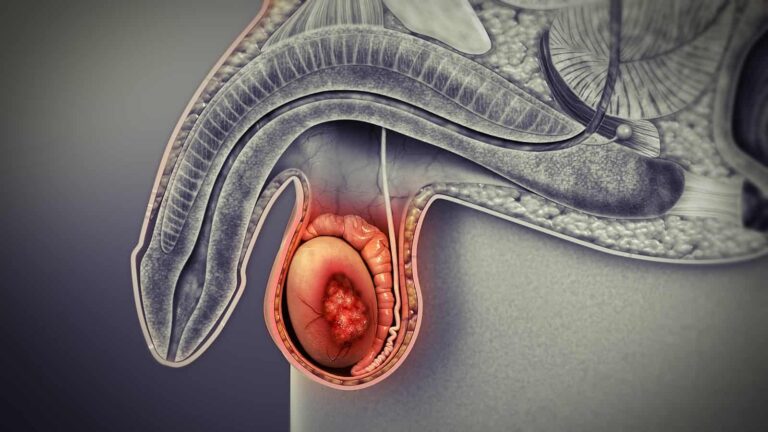
A walnut-sized gland located below the bladder and in front of the rectum, the prostate produces seminal fluid that nourishes and transports sperm. Its growth and function are primarily regulated by male hormones (androgens), most notably testosterone.
The Spectrum of Prostate Cancer:
Not all prostate cancers are equal. They exist on a continuum:
Indolent (Low-Risk): Slow-growing, confined to the prostate, unlikely to cause symptoms or shorten life.
Clinically Significant (Intermediate/High-Risk): Has the potential to grow, spread (metastasize), and become life-threatening.
Advanced/Metastatic: Cancer has spread beyond the prostate, most commonly to bones and lymph nodes. This stage is treatable but not yet curable.
Key Biological Marker: The Gleason Score & Grade Groups
Pathologists grade prostate cancer cells from 1 (normal) to 5 (most abnormal) based on their appearance under a microscope. The two most common patterns are added to create a Gleason Score (6-10). This has been modernized into simpler Grade Groups (1-5):
Grade Group 1 (Gleason 6): Low-grade, indolent.
Grade Group 2-3 (Gleason 7): Intermediate-grade.
Grade Group 4-5 (Gleason 8-10): High-grade/aggressive cancer.
Part 2: Risk Factors and Symptoms: Knowing What to Watch For
Non-Modifiable Risk Factors:
Age: Risk increases dramatically after 50; ~60% of cases are diagnosed in men over 65.
Race/Ethnicity: African American men have the highest incidence and mortality rates—they are more likely to be diagnosed at a younger age and with more aggressive disease.
Family History: Having a father or brother with prostate cancer more than doubles the risk. Inherited gene mutations (e.g., BRCA1/2, Lynch syndrome) also increase risk.
Potentially Modifiable Risk Factors (Areas of Research):
Diet: A diet high in red/processed meats and high-fat dairy, and low in fruits/vegetables, may increase risk.
Obesity: Linked to a higher risk of aggressive prostate cancer and worse outcomes.
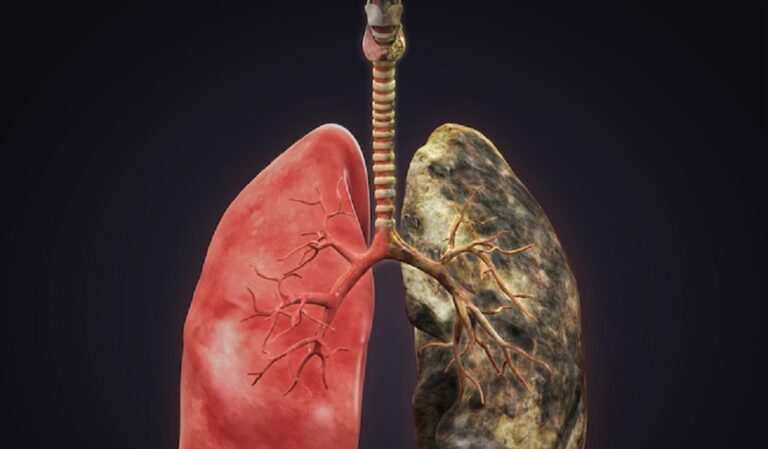
Smoking: Associated with an increased risk of dying from prostate cancer.
Symptoms:
Early-stage prostate cancer is often asymptomatic. When symptoms occur, they can mimic benign prostate enlargement (BPH):
Urinary frequency, especially at night (nocturia)
Weak or interrupted urine flow
Blood in urine or semen (rare)
Erectile dysfunction
Symptoms of advanced/metastatic disease: Bone pain (in back, hips, ribs), unexplained weight loss, fatigue.
Part 3: Modern Diagnosis: From Screening to Precision Staging
1. Screening & Initial Detection:
The goal is to find clinically significant cancer early. Screening involves a shared decision-making conversation about risks/benefits, starting at:
Age 50 for average-risk men.
Age 45 for high-risk men (African American, family history).
Age 40 for very high-risk (multiple family members).
Tests:
PSA (Prostate-Specific Antigen) Blood Test: Measures a protein produced by prostate tissue. An elevated level can indicate cancer, BPH, or prostatitis. It is not a perfect test. High rates of false positives and over-diagnosis of indolent cancer are key limitations.
Digital Rectal Exam (DRE): A physical exam where the doctor feels the prostate for abnormalities.
2. Diagnostic Workup (If Screening is Abnormal):
Multiparametric MRI (mpMRI): A revolutionary tool performed before biopsy. It creates detailed images to identify suspicious areas (PI-RADS score) and can guide targeted biopsy, improving detection of significant cancer and reducing over-diagnosis.
Biopsy: The only definitive way to diagnose cancer. Today, this is often a MRI-Ultrasound Fusion-Guided Biopsy, which targets suspicious areas seen on MRI, increasing accuracy.
Advanced Genomic Testing: On biopsy tissue, tests (e.g., Decipher, Oncotype DX) can analyze the tumor’s genetic profile to predict aggressiveness and guide management decisions.
3. Staging (Determining Extent):
Uses the TNM system (Tumor size, Node involvement, Metastasis) combined with PSA and Grade Group to classify risk:
Localized: Confined to the prostate.
Locally Advanced: Extended outside the prostate capsule or to seminal vesicles.
Metastatic: Spread to lymph nodes (regional) or bones/other organs (distant).
Part 4: Treatment: A Risk-Adapted, Personalized Arsenal
Treatment is highly personalized based on risk category, age, health, and patient preference.
A. For Localized/Low-Risk Disease:
Active Surveillance: The standard for very low and low-risk cancer. Involves regular monitoring (PSA, mpMRI, repeat biopsies) with the intent to intervene only if the cancer shows signs of progression. Avoids treatment side effects for men with indolent disease.
Watchful Waiting: A less intensive monitoring approach for older men with significant co-morbidities, where the goal is to manage symptoms if they arise, not cure the cancer.
B. For Clinically Significant Localized Disease (Curative-Intent Treatment):
Radical Prostatectomy: Surgical removal of the prostate. Approaches include:
Radiation Therapy:
External Beam Radiation (EBRT): Delivers high-dose X-rays to the prostate. Modern techniques like IMRT and SBRT are highly precise.
Brachytherapy: Radioactive seeds permanently implanted into the prostate.
Often combined with short-term Androgen Deprivation Therapy (ADT) to enhance effectiveness for intermediate/high-risk disease.
Focal Therapy (Ablative): An emerging option for select intermediate-risk cancers. Uses energy (ultrasound, cryo, laser) to destroy only the tumor within the prostate, sparing surrounding tissue. Considered investigational but promising.
Side Effect Management: Both surgery and radiation can cause urinary incontinence and erectile dysfunction. Pre-habilitation, nerve-sparing techniques, and advanced rehabilitation (pelvic floor therapy, medications, devices) are critical components of care.
C. For Advanced/Metastatic Disease (Treatment to Control, Not Cure):
This is a rapidly evolving field. Treatments are often used in sequence.
Androgen Deprivation Therapy (ADT): The backbone of treatment. Lowers testosterone levels to shrink or slow cancer growth. Can be via injections (LHRH agonists/antagonists) or oral tablets. Long-term side effects include fatigue, hot flashes, bone loss, and metabolic changes.
Advanced Hormonal Therapies:
Androgen Receptor Pathway Inhibitors: Abiraterone, Enzalutamide, Apalutamide, Darolutamide. Block testosterone’s effect on cancer cells even more effectively than ADT alone.
Chemotherapy: Docetaxel and Cabazitaxel are used when cancer progresses on hormonal therapies.
Radionuclide Therapy: Lutetium Lu 177 vipivotide tetraxetan (Pluvicto) targets prostate-specific membrane antigen (PSMA) on cancer cells, delivering radiation directly to metastases.
Immunotherapy & PARP Inhibitors: For cancers with specific DNA repair mutations (e.g., BRCA).
Bone-Targeting Agents: (e.g., Denosumab, Zoledronic acid) to strengthen bones and prevent fractures.
Part 5: Prevention and Proactive Health
While no strategy guarantees prevention, these evidence-based approaches can reduce risk and promote overall health:
Diet: Emphasize a plant-forward diet. Increase intake of:
Lycopene: Cooked tomatoes, watermelon.
Cruciferous Vegetables: Broccoli, cauliflower.
Omega-3 Fatty Acids: Fatty fish (salmon).
Reduce: Red/processed meats, high-fat dairy.
Maintain a Healthy Weight: Obesity is linked to more aggressive disease.
Exercise Regularly: Vigorous activity may be associated with a lower risk of advanced prostate cancer.
Do Not Smoke.
Discuss Screening with Your Doctor: Informed, shared decision-making is key, especially for men with risk factors.
Conclusion: Navigating a Path of Informed Choice
Prostate cancer management has evolved from reflexive treatment to a sophisticated, patient-centered model. The journey from screening to survivorship is now defined by precision—using advanced imaging and genomics to identify who needs treatment—and personalization—matching the right therapy to the right cancer at the right time. For men, empowerment comes through education, partnership with a multidisciplinary care team (urologist, radiation oncologist, medical oncologist), and a focus on quality of life. Through proactive health choices and informed medical decisions, the impact of this common disease can be profoundly mitigated.
Resources for Patients & Families:
Prostate Cancer Foundation (PCF): www.pcf.org
American Cancer Society: www.cancer.org
US TOO International / ZERO Prostate Cancer: Patient support and advocacy.
National Comprehensive Cancer Network (NCCN): Patient guideline versions.
Disclaimer: This article is for informational purposes only and is not a substitute for professional medical advice, diagnosis, or treatment. Always seek the advice of your urologist or other qualified health provider with any questions you may have regarding a medical condition.