The Silent Epidemic: A Comprehensive Guide to Sexually Transmitted Infections in Teenagers
Introduction: A Critical Conversation
Sexually transmitted infections (STIs) represent one of the most pressing, yet often unaddressed, public health challenges facing adolescents today. Characterized by a lack of visible symptoms in many cases and shrouded in stigma and misinformation, STIs spread silently through teenage populations, with potential long-term consequences for reproductive health, emotional well-being, and future relationships.
This article provides a frank, detailed, and evidence-based overview of STIs in teenagers—covering prevalence, specific infections, risk factors, prevention, testing, and communication strategies for parents and caregivers.
Part 1: The Scope of the Problem – Why Teenagers Are Particularly Vulnerable
Adolescents and young adults (ages 15-24) account for half of all new STIs annually in the United States, despite representing only a quarter of the sexually active population. This disproportionate impact is due to a convergence of biological, behavioral, and systemic factors:
Biological Vulnerability: Adolescent cervical tissue is biologically more susceptible to infection from pathogens like HPV and chlamydia. The immune system is still developing robust local defenses in the genital tract.
Behavioral Factors: Teens are more likely to engage in serial monogamy (multiple short-term partners), have overlapping partnerships, and inconsistently use barrier protection. Alcohol and substance use can further impair judgment and increase risky behaviors.
Structural Barriers: Concerns about confidentiality, cost, transportation, and fear of judgment can prevent teens from accessing sexual healthcare. Many states have restrictive laws regarding minors’ consent for STI testing and treatment.
Lack of Comprehensive Education: Abstinence-only or incomplete sex education leaves teenagers without the critical knowledge of how STIs spread, how to use protection correctly, or the importance of routine testing.
Part 2: Common STIs in Teenagers: Symptoms, Risks, and Treatment
Understanding the specifics of common infections is key to dispelling myths.
1. Human Papillomavirus (HPV)
Prevalence: The most common STI. Nearly all sexually active people will get it at some point.
Transmission: Skin-to-skin contact.
Symptoms: Often none. Some strains cause genital warts. High-risk strains can lead to cancers of the cervix, vulva, vagina, penis, anus, and oropharynx years later.
Long-term Risks: Cervical cancer is the most significant risk for females.
Prevention/Treatment: The HPV vaccine is the best defense. It is recommended for all children at ages 11-12, but can be given up to age 45. There is no treatment for the virus itself, but warts and pre-cancerous cell changes can be managed.
2. Chlamydia
Prevalence: The most commonly reported bacterial STI.
Symptoms: Often asymptomatic (especially in females). Can include unusual discharge, burning during urination, or pelvic pain.
Long-term Risks: In females, untreated chlamydia can lead to Pelvic Inflammatory Disease (PID), causing chronic pelvic pain, ectopic pregnancy, and infertility. In males, it can cause epididymitis.
Treatment: Curable with antibiotics. Retesting 3 months after treatment is recommended due to high reinfection rates.
3. Gonorrhea
Symptoms: Often asymptomatic. Can mimic chlamydia symptoms. May cause a sore throat (from oral sex) or rectal discomfort.
Long-term Risks: Similar to chlamydia—PID, infertility, and disseminated infection.
A Major Concern: The emergence of Antimicrobial-Resistant Gonorrhea, making some strains increasingly difficult to treat.
Treatment: Curable with specific antibiotics, though resistance is a growing challenge.
4. Herpes Simplex Virus (HSV)
Types: HSV-1 (traditionally oral “cold sores”) and HSV-2 (traditionally genital). Both can infect either location.
Symptoms: Intermittent outbreaks of painful blisters or sores. The first outbreak is usually the worst. Many people have very mild or unrecognized symptoms.
Critical Fact: The virus can be shed and transmitted even when no sores are present (“asymptomatic shedding”).
Treatment: Not curable, but manageable. Antiviral medications can suppress outbreaks and reduce transmission risk.
5. Trichomoniasis (“Trich”)
Cause: A parasitic protozoan.
Symptoms: Often asymptomatic. Can cause frothy, foul-smelling discharge, itching, and burning.
Long-term Risks: Increases susceptibility to HIV infection and, in pregnant individuals, preterm birth.
Treatment: Curable with specific antibiotics (metronidazole or tinidazole).
6. Human Immunodeficiency Virus (HIV)
Transmission: Through blood, semen, vaginal fluids, rectal fluids, and breast milk.
Symptoms: Acute HIV may cause flu-like illness. Then enters a long asymptomatic phase before progressing to AIDS without treatment.
Modern Reality: HIV is a chronic, manageable condition with medication. PrEP (Pre-Exposure Prophylaxis) is a daily pill that is over 99% effective at preventing HIV acquisition and is a critical tool for at-risk youth.
Treatment: Lifelong Antiretroviral Therapy (ART) suppresses the virus, allowing for a normal lifespan and making transmission to others virtually impossible (U=U: Undetectable = Untransmittable).
7. Syphilis
Trend: Cases are rising alarmingly among teenagers and young adults.
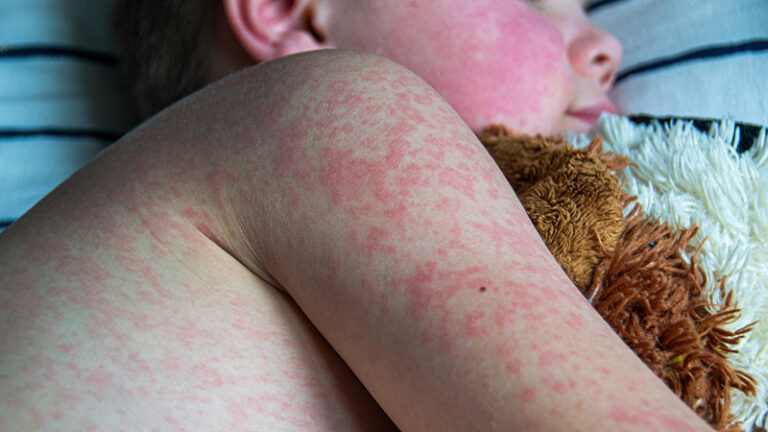
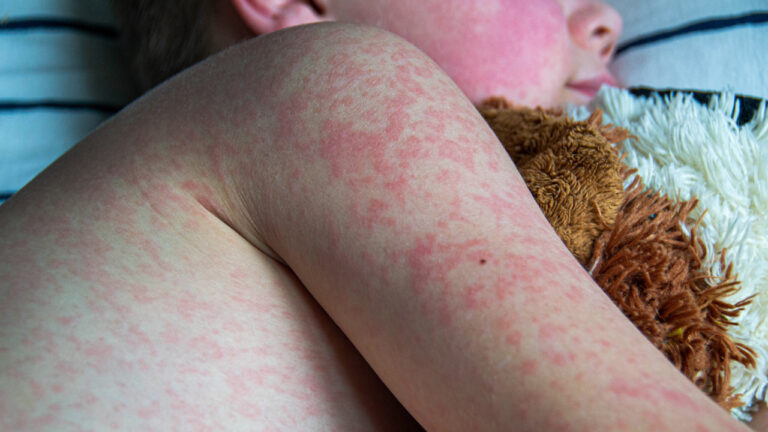
Stages: Primary (chancre sore), Secondary (rash, flu-like symptoms), Latent, and Tertiary (damage to brain, nerves, eyes, heart).
Long-term Risks: Neurological damage, cardiovascular damage, congenital syphilis if passed to a baby during pregnancy.
Treatment: Curable with penicillin, especially in early stages.
Part 3: Prevention: A Multilayered Approach (Beyond Abstinence)
The only 100% effective way to prevent STIs is abstinence from all sexual contact. For sexually active teens, a combination of strategies is essential:
Vaccination: Ensure HPV vaccination and Hepatitis B vaccination are complete.
Consistent and Correct Condom Use: Latex or polyurethane condoms, used from start to finish for every act of vaginal, anal, and oral sex, significantly reduce the risk of most STIs. (Note: They do not protect against skin-to-skin infections like HPV or herpes as completely).
PrEP for HIV Prevention: A vital biomedical intervention for teens at substantial risk for HIV.
Mutual Monogamy: After confirmed STI testing, being in a long-term, mutually monogamous relationship with an uninfected partner reduces risk.
Regular STI Screening: Asymptomatic screening is non-negotiable. Recommendations:
Sexually active females < 25: Annual chlamydia and gonorrhea screening. Include HPV/Pap testing per guidelines.
Sexually active males (especially MSM – men who have sex with men): Annual screening for chlamydia, gonorrhea, syphilis, and HIV. More frequent screening (3-6 months) for higher-risk individuals.
All teens should be offered HIV screening at least once.
Open Communication with Partners: Discussing STI status, testing history, and protection before sexual activity is a critical skill.
Part 4: The Role of Parents and Caregivers: Communication and Access
Parents are the primary sexuality educators of their children. The goal is to be an “askable adult.”
Start Early, Talk Often: Conversations should be ongoing, age-appropriate, and integrated into general health talks. Start with body autonomy and consent in childhood.
Focus on Health, Not Shame: Frame sexual health as an integral part of overall well-being, like nutrition or mental health. Avoid punitive or fear-based language.
Provide Accurate Information: Correct myths (e.g., “you can’t get an STI from oral sex” is false). Emphasize that many STIs have no symptoms.
Ensure Access to Healthcare:
Find a teen-friendly healthcare provider who respects confidentiality.
Understand minor consent laws in your state for STI services.
Help your teen schedule appointments and assure them of confidentiality. Consider saying, “My goal is for you to be healthy and have the information you need. What you discuss with the doctor is private, but I’m here if you want to talk about it.”
Part 5: If an STI is Diagnosed: Navigating Treatment and Emotions
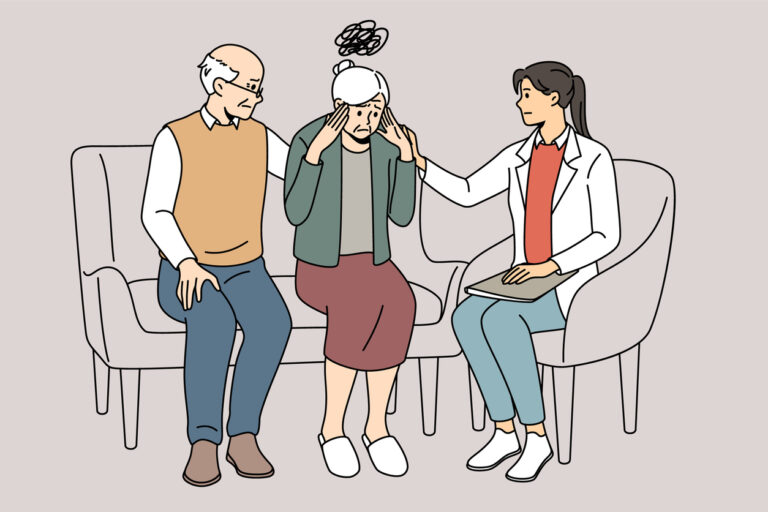
A diagnosis can be emotionally devastating for a teenager. Support is crucial.
Medical Follow-Through: Ensure all prescribed medication is completed. Partners must be notified and treated to prevent “ping-pong” reinfection. Many health departments offer anonymous partner notification services.
Emotional Support: Reassure your teen that STIs are common medical conditions, not a reflection of their character or worth. Avoid blame. Many are curable, and all are manageable.
Future Prevention: Use the diagnosis as a teachable moment to reinforce consistent protection, open communication with future partners, and regular screening.
Conclusion: Knowledge as Empowerment
The teenage years are a time of exploration and identity formation. Providing adolescents with comprehensive, shame-free sexual health information and access to care is not an endorsement of sexual activity; it is an endorsement of their health, safety, and future.
By normalizing conversations about STIs, championing prevention through vaccination and condom use, and insisting on regular screening as part of routine healthcare, we can empower teenagers to make informed choices. We can turn the tide on this silent epidemic, protecting their physical health and fostering a generation that views sexual well-being as a right and a responsibility.
Resources for Teens & Parents:
Disclaimer: This article is for informational purposes only and is not a substitute for professional medical advice, diagnosis, or treatment. Always seek the advice of your physician or other qualified health provider with any questions you may have regarding a medical condition.