Sleeping sickness
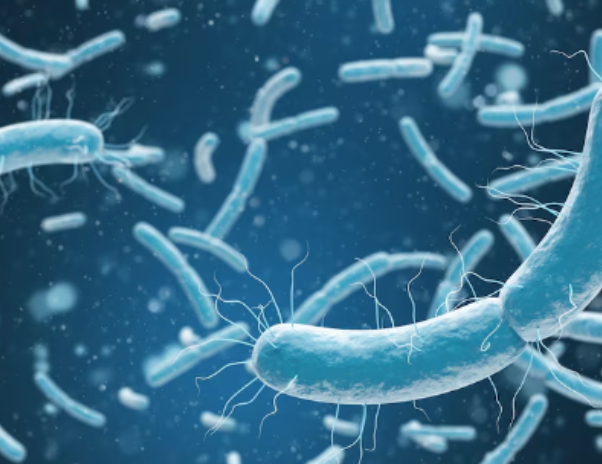
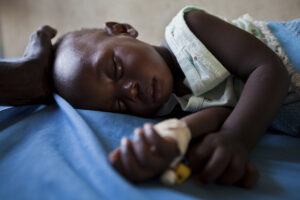 Sleeping sickness, also known as human African trypanosomiasis (HAT), is a parasitic disease caused by Trypanosoma brucei parasites. It is transmitted to humans through the bite of infected tsetse flies. This disease primarily affects rural populations in sub-Saharan Africa and can lead to severe neurological damage and death if left untreated.
Understanding Sleeping Sickness:
- Causative Agents:
- Trypanosoma brucei gambiense (West African sleeping sickness)
- Trypanosoma brucei rhodesiense (East African sleeping sickness)
- Trypanosoma brucei gambiense (West African sleeping sickness)
- Vector:
- Tsetse flies (genus Glossina)
- Tsetse flies (genus Glossina)
- Geographical Distribution:
- Sub-Saharan Africa, with T. b. gambiense prevalent in West and Central Africa and T. b. rhodesiense in East and Southern Africa.
- Sub-Saharan Africa, with T. b. gambiense prevalent in West and Central Africa and T. b. rhodesiense in East and Southern Africa.
Transmission:
- Tsetse Fly Bites:
- The primary mode of transmission is through the bite of an infected tsetse fly.
- Tsetse flies become infected when they feed on the blood of infected animals or humans.
- The primary mode of transmission is through the bite of an infected tsetse fly.
- Other Modes of Transmission:
- Mother-to-child transmission (congenital).
- Mechanical transmission through other biting insects.
- Accidental infections in laboratories.
- Through blood transfusions.
- Mother-to-child transmission (congenital).
Stages of the Disease:
Sleeping sickness progresses through two distinct stages:
- Hemolymphatic Stage (Stage 1):
- This stage involves the invasion of the blood and lymphatic system.
- Symptoms include:
- Fever
- Headache
- Muscle and joint aches
- Swollen lymph nodes (especially in the neck)
- Itching
- Fever
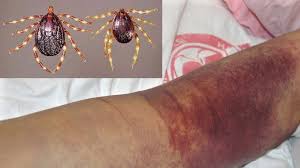
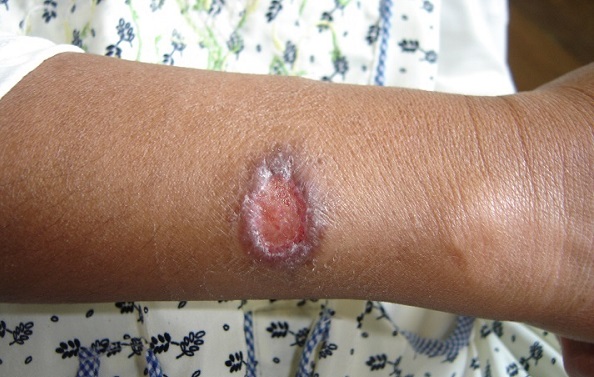
- A characteristic sign in T. b. rhodesiense infections is a chancre (a skin ulcer) at the site of the tsetse fly bite.
- This stage involves the invasion of the blood and lymphatic system.
- Neurological Stage (Stage 2):
- This stage occurs when the parasites cross the blood-brain barrier and invade the central nervous system.
- Symptoms include:
- Disturbances in sleep patterns (hence the name “sleeping sickness”)
- Behavioral changes
- Confusion
- Sensory disturbances
- Poor coordination
- Tremors
- Seizures
- Progressive mental deterioration
- Coma.
- Disturbances in sleep patterns (hence the name “sleeping sickness”)
- This stage occurs when the parasites cross the blood-brain barrier and invade the central nervous system.
Differences Between T. b. gambiense and T. b. rhodesiense:
- T. b. gambiense:
- Chronic form of the disease.
- Slower progression, with the neurological stage occurring months or even years after infection.
- Often asymptomatic in the early stages, making diagnosis difficult.
- T. b. rhodesiense:
- Acute form of the disease.
- Rapid progression, with the neurological stage occurring within weeks or months of infection.
- More severe symptoms and a higher mortality rate.
Diagnosis:
- Parasitological Tests:
- Microscopic examination of blood, lymph fluid, or cerebrospinal fluid (CSF) to identify parasites.
- Microscopic examination of blood, lymph fluid, or cerebrospinal fluid (CSF) to identify parasites.
- Serological Tests:
- Antibody detection tests to identify exposure to the parasite.
- Lumbar Puncture:
- Examination of CSF to determine if the parasite has invaded the central nervous system (staging).
- Examination of CSF to determine if the parasite has invaded the central nervous system (staging).
Treatment:
Treatment for sleeping sickness depends on the stage of the disease. Medications used include:
- Hemolymphatic Stage:
- Pentamidine (for T. b. gambiense)
- Suramin (for T. b. rhodesiense)
- Neurological Stage:
- Eflornithine (for T. b. gambiense)
- Nifurtimox-eflornithine combination therapy (NECT) (for T. b. gambiense)
- Melarsoprol (for both types, but toxic, and used when other options are unavailable).
- Fexinidazole (for stage 1 and early stage 2 T. b. gambiense)
Prevention and Control:
- Vector Control:
- Tsetse fly control through insecticide spraying and trapping.
- Clearing vegetation that provides tsetse fly habitats.
- Surveillance and Screening:
- Active screening of at-risk populations.
- Early diagnosis and treatment.
- Livestock Management:
- Controlling animal reservoirs of infection.
- Controlling animal reservoirs of infection.
- Public Awareness:
- Educating communities about the risks of sleeping sickness and preventive measures.
Public Health Importance:
- Sleeping sickness is a neglected tropical disease (NTD) that affects vulnerable populations.
- It can cause significant morbidity and mortality, particularly in remote and resource-limited settings.
- Control efforts require a multidisciplinary approach involving vector control, surveillance, and treatment.
It is vital that those traveling to endemic areas take precautions to avoid tsetse fly bites, and that endemic countries continue to work towards the elimination of this disease.