Tetanus

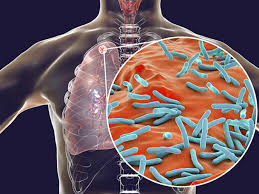
Tetanus, also known as lockjaw, is a serious bacterial infection of the nervous system caused by the toxin produced by the bacterium Clostridium tetani. While preventable through vaccination, it remains a significant health risk in areas with low immunization rates. Understanding its causes, symptoms, and prevention is crucial for protecting individuals from this potentially fatal disease.
Understanding Tetanus:
- Causative Agent:
- Clostridium tetani, a bacterium that produces a potent neurotoxin called tetanospasmin.
- Transmission:
- C. tetani spores are found in soil, dust, and animal feces.
- Infection occurs when these spores enter the body through a break in the skin, such as:
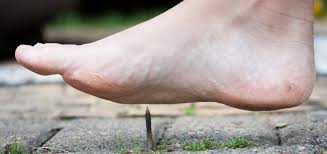
- Deep cuts or puncture wounds.
- Burns.
- Animal bites.
- Intravenous drug use.
- Infected umbilical stumps in newborns (neonatal tetanus).
- Not Contagious:
- Tetanus is not spread from person to person.
Symptoms:
Tetanus symptoms typically appear within 3 to 21 days after infection, although they can appear as early as one day or as late as several months.
- Muscle Spasms:
- The hallmark symptom is muscle stiffness and spasms, particularly in the jaw muscles (lockjaw).
- These spasms can spread to other muscles, including the neck, abdomen, back, and limbs.
- Spasms can be extremely painful and forceful.
- Difficulty Swallowing (Dysphagia):
- Spasms of the throat muscles can make swallowing difficult.
- Stiffness and Pain:
- Generalized muscle stiffness and pain.
- Increased Irritability:
- Sweating:
- Fever:
- Rapid Heart Rate:
- High Blood Pressure:
- Respiratory Problems:
- Severe spasms can affect the muscles involved in breathing, leading to respiratory failure.
Complications:
- Respiratory Failure:
- The most common cause of death from tetanus.
- Pneumonia:
- Due to aspiration or prolonged immobility.
- Fractures:
- Caused by severe muscle spasms.
- Cardiac Arrest:
- Death.
Diagnosis:
- Clinical Evaluation:
- Diagnosis is primarily based on the patient’s symptoms and medical history.
- There is no specific laboratory test for tetanus.
- Wound Examination:
- Examining the wound for signs of infection.
Treatment:
- No Cure:
- There is no cure for tetanus, but treatment focuses on managing symptoms and preventing complications.
- Tetanus Immunoglobulin (TIG):
- Administered to neutralize the tetanus toxin.
- Muscle Relaxants:
- To control muscle spasms.
- Sedatives:
- To calm the patient and reduce anxiety.
- Airway Management:
- Mechanical ventilation may be necessary for severe cases.
- Antibiotics:
- To kill the C. tetani bacteria.
- Wound Care:
- Cleaning and debridement of the infected wound.
Prevention:
- Vaccination:
- The tetanus toxoid vaccine is highly effective in preventing tetanus.
- It’s typically given in combination with diphtheria and pertussis vaccines (DTaP, Tdap).
- Booster shots are recommended every 10 years.
- Immediate tetanus toxoid doses are also recomended after a high risk injury, such as a puncture wound.
- Wound Care:
- Thoroughly cleaning wounds to remove dirt and debris.
- Seeking medical attention for deep or contaminated wounds.
- Neonatal Tetanus Prevention:
- Hygienic delivery practices.
- Vaccinating pregnant women.
Public Health Importance:
- Tetanus remains a serious public health problem in developing countries with low vaccination rates.
- Neonatal tetanus is a significant cause of infant mortality in these regions.
- Maintaining high vaccination coverage is essential for preventing tetanus.
It’s crucial to ensure that you and your loved ones are up to date on tetanus vaccinations. If you experience a deep wound or suspect tetanus infection, seek immediate medical attention.
I hope this information is helpful.