Tick-borne encephalitis
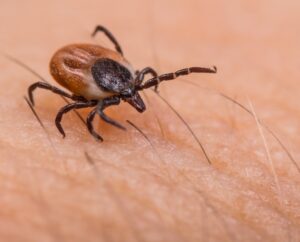 Tick-borne encephalitis (TBE) is a viral infectious disease that affects the central nervous system. It’s primarily transmitted through the bite of infected ticks. Understanding the nature of this disease, its transmission, symptoms, and prevention is crucial, especially for those living in or traveling to endemic areas.
Understanding Tick-Borne Encephalitis:
- Causative Agent:
- TBE is caused by the tick-borne encephalitis virus (TBEV), a member of the Flaviviridae family.
- Transmission:
- The primary mode of transmission is through the bite of infected ticks, mainly Ixodes ricinus and Ixodes persulcatus.
- Less commonly, infection can occur through the consumption of unpasteurized dairy products from infected animals.
Geographical Distribution:
- TBE is endemic in parts of Europe and Asia, particularly in:
- Central, Eastern, and Northern Europe.
- Russia.
- Siberia.
- Parts of Asia.
Symptoms:
TBE can manifest in a variety of ways, and not everyone infected will develop symptoms. The disease often has a biphasic course:
- First Phase (Viremic Phase):
- This phase is characterized by flu-like symptoms, including:
- Fever.
- Headache.
- Muscle aches.
- Fatigue.
- This phase typically lasts for a few days.
- This phase is characterized by flu-like symptoms, including:
- Second Phase (Neurological Phase):
- In some individuals, the virus can spread to the central nervous system, leading to:
- Meningitis (inflammation of the meninges).
- Encephalitis (inflammation of the brain).
- Meningoencephalitis (inflammation of both the meninges and the brain).
- Symptoms in this phase can include:
- High fever.
- Severe headache.
- Stiff neck.
- Confusion.
- Seizures.
- Paralysis.
- In severe cases, coma and death can occur.
- In some individuals, the virus can spread to the central nervous system, leading to:
Diagnosis:
- Diagnosis typically involves:
- Clinical evaluation of symptoms.
- Laboratory tests to detect TBEV-specific antibodies in blood or cerebrospinal fluid.
Treatment:
- There is no specific antiviral treatment for TBE.
- Treatment focuses on supportive care to manage symptoms and complications, including:
- Pain relief.
- Fever reduction.
- Respiratory support.
- Management of neurological complications.
Prevention:
- Vaccination:
- Vaccination is the most effective way to prevent TBE.
- Vaccines are available in endemic areas and are recommended for individuals at risk.
- Tick Bite Prevention:
- Avoiding tick-infested areas.
- Wearing protective clothing.
- Using tick repellents.
- Thoroughly checking for and removing ticks after outdoor activities.
- Food Safety:
- Avoiding consumption of unpasteurized dairy products in endemic areas.
Public Health Importance:
- TBE can cause severe neurological complications and long-term disability.
- Increasing incidence of TBE in some regions, makes it a growing public health concern.
- Vaccination and tick bite prevention are crucial for protecting individuals at risk.
It’s important to seek medical attention if you experience symptoms of TBE, especially after a tick bite or if you’ve been in an endemic area.
I hope this information is helpful.