Tuberculosis
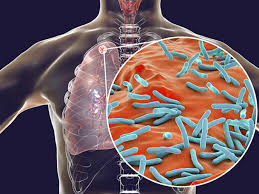
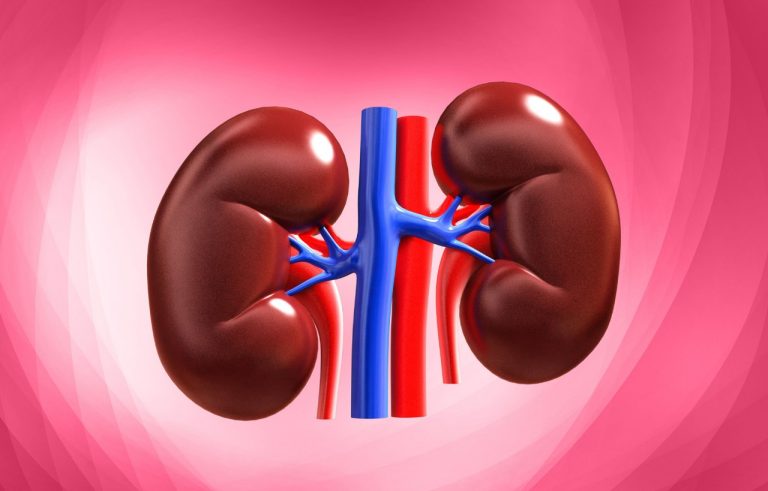
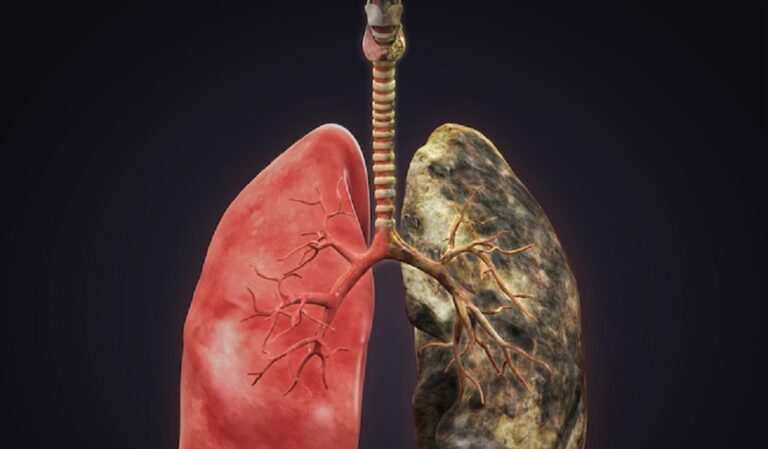
Tuberculosis (TB) is a contagious infection that usually attacks the lungs, but can also spread to other parts of the body, such as the brain, kidneys, and spine. It’s caused by a type of bacteria called Mycobacterium tuberculosis. Despite being preventable and curable, TB remains a major global health problem.
Here’s a detailed overview of tuberculosis:
Understanding Tuberculosis:
- Causative Agent:
- Mycobacterium tuberculosis bacteria.
- Transmission:
- TB is spread through the air when a person with active TB disease of the lungs coughs, speaks, or sneezes.
- People nearby may breathe in these bacteria and become infected.
- It’s important to note that not everyone infected with TB bacteria becomes sick.
- Types of TB:
- Latent TB Infection (LTBI):
- The bacteria live in the body without causing symptoms.
- The person does not feel sick and cannot spread the infection.
- However, latent TB infection can develop into active TB disease.
- Active TB Disease:
- The bacteria multiply and cause symptoms.
- The person feels sick and can spread the infection.
- Latent TB Infection (LTBI):
Symptoms:
Symptoms of active TB disease can vary depending on where in the body the bacteria are growing.
- Pulmonary TB (TB of the lungs):
- A prolonged cough (lasting three or more weeks).
- Coughing up blood or sputum (phlegm).
- Chest pain, or pain with breathing or coughing.
- Other common symptoms:
- Fever.
- Chills.
- Night sweats.
- Loss of appetite.
- Weight loss.
- Fatigue.
- Extra pulmonary tuberculosis can effect other parts of the body, and the symptoms will vary depending on the area effected.
Risk Factors:
People at higher risk of developing active TB disease include:
- People with weakened immune systems (e.g., people with HIV, diabetes, or those receiving immunosuppressive therapy).
- People who have been recently infected with TB bacteria.
- Infants and young children.
- People who inject illegal drugs.
- People who live in or travel to countries where TB is common.
- People who work in healthcare settings.
Diagnosis:
- Tuberculin Skin Test (TST) or Blood Test (Interferon-Gamma Release Assay – IGRA):
- These tests can determine if a person has been infected with TB bacteria.
- Chest X-ray:
- Used to look for lung abnormalities caused by TB.
- Sputum Tests:
- Used to identify TB bacteria in the sputum (phlegm).
- Molecular tests:
- Rapid tests to identify the bacteria, and test for drug resistance.
Treatment:
- TB disease is treated with a combination of antibiotics.
- Treatment typically lasts for 6 to 9 months.
- It is crucial to complete the entire course of treatment to prevent drug resistance.
- Drug resistant TB is much harder to treat, and requires a longer course of more complex medications.
- Directly observed therapy (DOT) is often recommended, where a healthcare worker watches the patient take their medication.
Prevention:
- Vaccination:
- The Bacille Calmette-Guérin (BCG) vaccine is used in some countries to prevent severe forms of TB in children.
- Treatment of Latent TB Infection:
- People with latent TB infection can take medication to prevent the development of active TB disease.
- Infection Control:
- Proper ventilation and respiratory precautions in healthcare settings.
- Public health initiatives, to detect and treat active cases of TB.
Global Impact:
- TB remains a leading cause of death worldwide, particularly in developing countries.
- Drug-resistant TB is a growing concern.
- The World Health Organization (WHO) is working to end the TB epidemic through various strategies.
It’s important to be aware of the symptoms of TB and to seek medical attention if you suspect you may have been exposed.
I hope this information is helpful.