Reclaiming Intimacy: A Comprehensive Guide to Overcoming Erectile Dysfunction
Introduction: A Common Challenge with Powerful Solutions
Erectile dysfunction (ED), the consistent inability to achieve or maintain an erection sufficient for satisfactory sexual activity, is a condition that affects an estimated 30 million men in the United States alone. Despite its prevalence, ED remains shrouded in silence and stigma, often perceived as a blow to masculinity rather than the treatable medical condition it truly is. The reality is that ED is rarely just a sexual problem; it is a powerful barometer of overall health, frequently signaling underlying cardiovascular, neurological, or psychological issues. Overcoming ED is not about recapturing youth, but about restoring function, intimacy, and confidence through a modern, multi-faceted approach.
This guide details five foundational pathways to address ED, moving from lifestyle modification to medical intervention, empowering men to take proactive control of their sexual and overall health.
Pathway 1: Address the Foundation – Lifestyle and Underlying Health
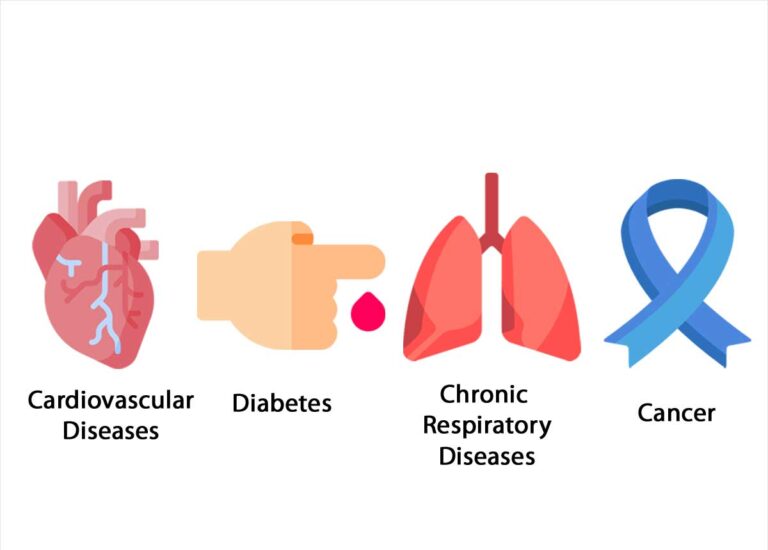
ED is often the first symptom of systemic vascular disease. The same process that clogs heart arteries (atherosclerosis) impairs blood flow to the penis. Therefore, the first and most crucial step is foundational health optimization.
Key Actionable Strategies:
Cardiovascular Fitness: Engage in moderate-to-vigorous aerobic exercise for at least 30 minutes, 5 times a week (e.g., brisk walking, cycling, swimming). Exercise improves endothelial function, the health of the blood vessel lining critical for erections.
Nutritional Reboot: Adopt a heart-healthy diet. Emphasize:
Whole Foods: Fruits, vegetables, whole grains, and lean proteins.
Nitrate-Rich Foods: Leafy greens and beets, which help produce nitric oxide—a molecule essential for vasodilation.
Limit: Saturated fats, processed sugars, and excessive alcohol, which contribute to inflammation and vascular damage.
Weight Management: Obesity increases the risk of ED by 50%. Losing just 5-10% of body weight can dramatically improve erectile function and testosterone levels by reducing inflammation and improving hormone balance.
Smoking Cessation: Smoking is a direct toxin to blood vessels, causing endothelial damage and arterial stiffening. Quitting is one of the most powerful single actions to improve erectile function.
Manage Comorbid Conditions: Rigorously control:
Hypertension & High Cholesterol: These directly damage penile arteries.
Type 2 Diabetes: High blood sugar damages nerves and blood vessels. Tight glycemic control is paramount.
Sleep Apnea: This common, often undiagnosed condition causes hypoxia and hormonal disruption, strongly linked to ED. A sleep study and CPAP therapy can be transformative.
Why This Works: You are treating the root vascular and metabolic causes of ED, not just the symptom. Improvements here enhance overall vitality and can reduce or eliminate the need for other interventions.
Pathway 2: The Psychological & Relational Reset
The mind is the most powerful sexual organ. Performance anxiety, stress, depression, and relationship conflict can cause or exacerbate ED, creating a vicious cycle of fear and failure.
Key Actionable Strategies:
Cognitive Behavioral Therapy (CBT): The gold-standard psychological treatment. CBT helps identify and reframe negative thought patterns (“I’m going to fail”), reduce anxiety, and break the “spectatoring” phenomenon (mentally observing oneself during sex instead of being immersed in sensation).
Mindfulness & Sensate Focus: Techniques developed by Masters and Johnson. Couples engage in structured, non-demand touching exercises that rebuild intimacy and pleasure without the pressure of performance, gradually reintroducing sexual contact.
Open Communication with Your Partner: ED is a “couple’s issue.” Honest dialogue reduces blame, builds teamwork, and shifts focus from penetrative sex to shared intimacy, reducing pressure.
Treat Underlying Mental Health: Seek treatment for clinical depression or anxiety disorders with a therapist or psychiatrist. Note: Some antidepressants (SSRIs) can cause ED; discuss medication options or adjustments with your doctor.
Why This Works: It removes the psychological barriers that prevent the natural physical response, restores emotional connection, and addresses the relational context of sex.
Pathway 3: First-Line Medical Therapy – PDE5 Inhibitors
Phosphodiesterase type 5 (PDE5) inhibitors are the most common and effective first-line oral medications for ED. They are not aphrodisiacs; they enhance the body’s natural erectile response to sexual stimulation by increasing blood flow to the penis.
Common Medications & Considerations:
Sildenafil (Viagra): Works in 30-60 minutes, lasts 4-6 hours.
Tadalafil (Cialis): Works in 30-60 minutes, lasts up to 36 hours (“weekend pill”). Also available in a low-dose daily formulation.
Vardenafil (Levitra, Staxyn): Similar profile to sildenafil.
Avanafil (Stendra): Fastest onset (15 minutes), fewer side effects for some.
Critical Guidelines for Use:
Requires sexual stimulation to work.
Absolute Contraindication: Never use with nitrate medications (e.g., nitroglycerin for chest pain) due to risk of dangerous blood pressure drop.
Side Effects: Can include headache, flushing, indigestion, nasal congestion, and (rarely) blue-tinged vision.
Consult a Physician: A doctor must prescribe these to ensure they are safe for your cardiovascular health and do not interact with other medications.
Why This Works: It is a highly effective, on-demand solution for most men with physical causes of ED, offering reliable results with minimal intrusion.
Pathway 4: Advanced Medical & Mechanical Interventions
When oral medications are ineffective, contraindicated, or not desired, these proven options offer powerful solutions.
Testosterone Replacement Therapy (TRT):
For Whom: Only for men with clinically diagnosed low testosterone (hypogonadism) confirmed by blood tests. Most men with ED have normal testosterone; indiscriminate use is ineffective and risky.
Benefits: Can improve libido, energy, and erectile function when low T is the true cause.
Risks: Requires careful monitoring for polycythemia (high red blood count), sleep apnea exacerbation, and potential impact on prostate health.
Vacuum Erection Devices (VEDs):
How It Works: A plastic cylinder is placed over the penis. A pump creates a vacuum, drawing blood into the penis to create an erection, which is then maintained by a tension ring placed at the base.
Pros: Non-invasive, drug-free, effective for most men. Excellent for occasional use.
Cons: Can be cumbersome, may cause bruising or coolness of the penis. The erection is mechanically maintained, not natural.
Intraurethral & Intracavernosal Injections:
Alprostadil (MUSE, Caverject): A prostaglandin that dilates blood vessels. Can be inserted as a tiny pellet into the urethra or injected directly into the side of the penis with a very fine needle.
Highly effective (>85% success), but invasiveness and potential for penile pain or (rarely) priapism (prolonged erection) limit its use.
Penile Implant (Prosthesis) Surgery:
The Ultimate Solution: A surgical procedure where inflatable cylinders are placed inside the penis, a pump in the scrotum, and a reservoir in the abdomen.
For Whom: Men with severe ED for whom all other treatments have failed or are not acceptable.
Pros: Provides a reliable, on-demand, natural-feeling erection with a very high satisfaction rate (~95%).
Cons: Irreversible, surgical procedure with standard surgical risks (infection, mechanical failure over years).
Why These Work: They offer tiered solutions for varying degrees of ED severity, ensuring there is an effective option for virtually every man.
Pathway 5: Integrative & Emerging Approaches
These adjunctive strategies can support the primary pathways above.
Pelvic Floor (Kegel) Exercises: Strengthening the bulbocavernosus and ischiocavernosus muscles that support erections can improve rigidity and control, especially for men with vascular or post-prostatectomy ED.
Acupuncture: Some evidence suggests it can help, particularly for ED related to psychogenic causes or as a side effect of medications, likely by modulating the nervous system and reducing stress.
Shockwave Therapy (Li-ESWT): A non-invasive treatment using low-intensity acoustic waves to theoretically stimulate angiogenesis (new blood vessel growth) in the penis. Considered investigational; more robust data is needed, but early studies are promising.
Review All Medications: With your doctor, review prescriptions (e.g., blood pressure meds, antidepressants) and over-the-counter drugs (e.g., antihistamines) that may contribute to ED. An alternative may be available.
Conclusion: A Journey of Proactive Partnership
Overcoming erectile dysfunction is not a quick fix but a journey of holistic health. The most effective approach is sequential and combined: starting with lifestyle and psychological health, progressing to medical therapy if needed, and never underestimating the power of partner communication.
The first and most courageous step is breaking the silence. Schedule a visit with a urologist or primary care physician who treats ED with empathy and expertise. Through open dialogue, proper diagnosis, and a tailored treatment plan, ED can be successfully managed, restoring not just sexual function, but confidence, intimacy, and overall well-being.
Resources for Support & Information:
Urology Care Foundation: www.urologyhealth.org
Sexual Medicine Society of North America (SMSNA): Patient education.
The International Society for Sexual Medicine (ISSM): www.issm.info
Disclaimer: This article is for informational purposes only and is not a substitute for professional medical advice, diagnosis, or treatment. Always seek the advice of your urologist or other qualified health provider with any questions you may have regarding a medical condition. Do not start, stop, or change any medication without consulting your doctor.