Ringworm: A Comprehensive Guide to the Contagious, Misnamed Fungus
Introduction: The Misleading Name
Few conditions are as universally misunderstood as ringworm. The name conjures images of a slithering parasite, but the reality is far less dramatic—and far more common. Ringworm, medically known as tinea corporis (on the body) or dermatophytosis, is a superficial fungal infection of the skin, hair, or nails. It has absolutely nothing to do with worms. The name originates from the distinctive ring-shaped, red, scaly rash it often produces. Highly contagious but typically harmless, ringworm is a pervasive issue, especially among children, athletes, and pet owners. Understanding its cause, presentation, and treatment is key to quick resolution and preventing its spread.
Part 1: The Science Behind the Rash – What Is Ringworm?
Ringworm is caused by a group of fungi called dermatophytes. These microscopic organisms thrive on keratin, a tough protein found in the outer layer of skin, hair, and nails. They feed on this keratin, leading to the characteristic infection.
Transmission: The fungus spreads through direct contact. This can be:
Human-to-Human: Skin-to-skin contact with an infected person.
Animal-to-Human (Zoonotic): From pets, especially kittens and puppies, who may carry the fungus with little to no signs. This is a very common source in households.
Object-to-Human (Fomite): Sharing contaminated items like combs, hairbrushes, hats, towels, bedding, sports gear (helmets, mats), or clothing.
Environment-to-Human: Contact with spores in soil, though this is less common.
Risk Factors: Warm, moist environments favor fungal growth. Wrestlers (“tinea gladiatorum”), gymnasts, people who sweat heavily, those who share personal items, and individuals with compromised immune systems are at higher risk.
Part 2: Recognizing Ringworm – A Spectrum of Appearances
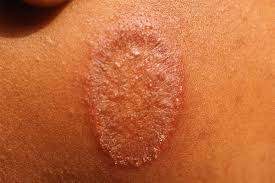
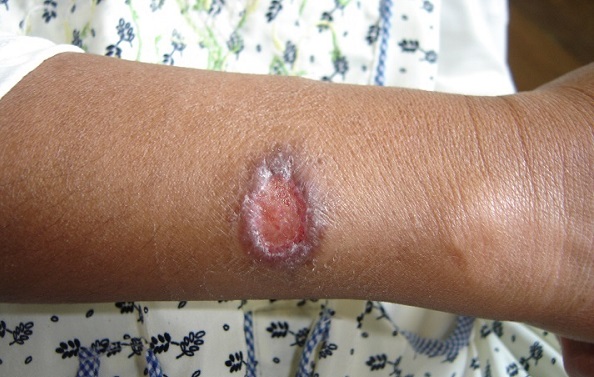
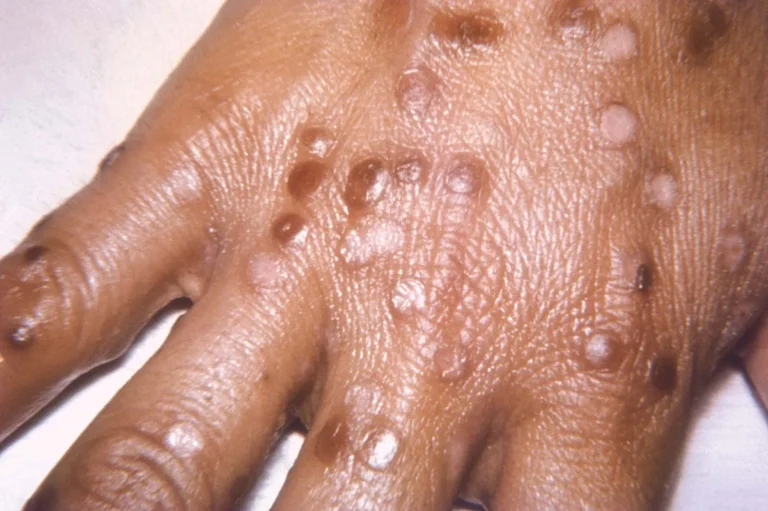
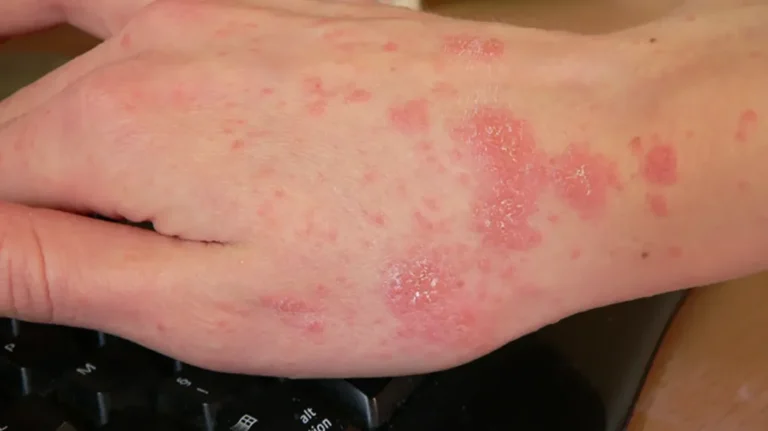
The classic presentation is a circular or oval, red, scaly patch on the skin that is often itchy. It tends to spread outward, leaving a clearer center that creates the “ring” appearance. However, its look can vary by location and severity.
Common Types and Locations:
Tinea Corporis (Body Ringworm):
Location: Trunk, arms, legs.
Appearance: The classic ring-shaped rash. Patches can be single or multiple, and may overlap. The border is typically raised, scaly, and more red/inflamed.
Tinea Capitis (Scalp Ringworm):
Location: Scalp, eyebrows, eyelashes.
Appearance: Often starts as a small pimple that expands. Can present as scaly, itchy bald patches with broken hairs (black dots), or as inflamed, painful, pus-filled swellings called kerions. More common in children.
Tinea Pedis (Athlete’s Foot):
Location: Feet, especially between the toes.
Appearance: Peeling, cracking, scaling, and redness. Often very itchy or burning.
Tinea Cruris (Jock Itch):
Location: Groin, inner thighs, buttocks.
Appearance: Red, often ring-shaped rash in the warm, moist groin area. The scrotum is usually not affected.
Tinea Unguium (Onychomycosis – Nail Fungus):
Location: Toenails or fingernails.
Appearance: Thickened, discolored (yellow, white, brown), brittle, and crumbly nails that may separate from the nail bed.
A Critical Note: Not all circular rashes are ringworm. Conditions like nummular eczema, pityriasis rosea, granuloma annulare, or even Lyme disease can look similar. A proper diagnosis is essential.
Part 3: Diagnosis and Professional Confirmation
While often recognizable, a healthcare provider (pediatrician, family doctor, or dermatologist) can confirm the diagnosis. This is especially important for scalp, nail, or widespread infections, or if the rash is not responding to over-the-counter treatment.
Visual Exam: Often sufficient based on characteristic appearance.
Wood’s Lamp Exam: In a dark room, some (but not all) ringworm fungi will fluoresce a bright greenish-yellow under a special ultraviolet light. A lack of fluorescence does not rule it out.
Potassium Hydroxide (KOH) Test: The gold standard. The provider scrapes a tiny amount of scale from the rash, treats it with KOH on a slide, and examines it under a microscope to see the characteristic fungal filaments (hyphae).
Fungal Culture: A sample is sent to a lab to grow the fungus, which can identify the specific type. This is used for difficult or recurrent cases.
Part 4: A Step-by-Step Guide to Treatment
Treatment depends entirely on the location and severity of the infection.
A. For Most Skin Infections (Tinea Corporis, Pedis, Cruris):
1. Over-the-Counter (OTC) Antifungal Creams, Sprays, or Powders:
2. Prescription-Strength Treatments:
Needed if OTC treatments fail, the infection is severe or widespread, or for immunocompromised individuals.
Topical: Stronger antifungal creams or solutions.
Oral Medication: Prescription pills like fluconazole, griseofulvin, itraconazole, or terbinafine are required for:
Tinea Capitis (Scalp Ringworm)
Tinea Unguium (Nail Fungus)
Extensive body infections
Infections that don’t respond to topical therapy
Treatment typically lasts several weeks to months.
B. For Scalp Ringworm (Tinea Capitis):
Always requires oral antifungal medication prescribed by a doctor.
An antifungal shampoo (containing ketoconazole or selenium sulfide) may be recommended for use 2-3 times a week to reduce shedding of spores and prevent spread, but it is an adjunct, not a cure.
Part 5: Prevention: Breaking the Chain of Contagion
Ringworm is highly preventable with diligent hygiene.
Maintain Dry, Clean Skin: Fungus thrives in moisture. Dry yourself thoroughly after bathing, especially between toes and in skin folds.
Don’t Share Personal Items: This includes clothing, hats, scarves, hairbrushes, combs, towels, and sports gear.
Wear Protective Footwear: In public pools, showers, and locker rooms.
Treat Infected Pets: If your pet has bald, scaly patches (often on ears, face, or paws), take them to a veterinarian. Treating the pet is essential to stop household reinfection.
Environmental Cleaning: During an active infection:
Wash all clothing, towels, and bedding that contacted the rash in hot water with detergent.
Disinfect non-washable surfaces and shared items (combs, hair clippers) with a diluted bleach solution or an EPA-registered disinfectant.
Vacuum carpets and upholstery frequently if a person or pet has scalp ringworm.
Hand Hygiene: Wash hands thoroughly with soap and water after touching an infected area or pet.
Part 6: When to See a Doctor Immediately
Consult a healthcare provider if:
The rash is on the scalp, face, or nails.
The rash is widespread or severe (multiple large patches).
The rash shows signs of secondary bacterial infection: increased redness, warmth, swelling, pus, yellow crusting, or fever.
The rash does not improve after 2 weeks of consistent OTC treatment.
The rash keeps returning.
You have diabetes or a weakened immune system (e.g., from chemotherapy, HIV, or long-term steroid use).
Conclusion: A Manageable Nuisance
Ringworm, despite its alarming name, is a common and treatable condition. Success lies in three key actions: accurate diagnosis, consistent and complete treatment, and meticulous hygiene to prevent spread. By demystifying the fungus, individuals and families can tackle an outbreak effectively, minimize discomfort, and quickly return to their normal routines. With the right knowledge and approach, you can ensure that this uninvited “ring” doesn’t stay for long.
Disclaimer: This article is for informational purposes only and is not a substitute for professional medical advice, diagnosis, or treatment. Always seek the advice of your physician or other qualified health provider with any questions you may have regarding a medical condition.