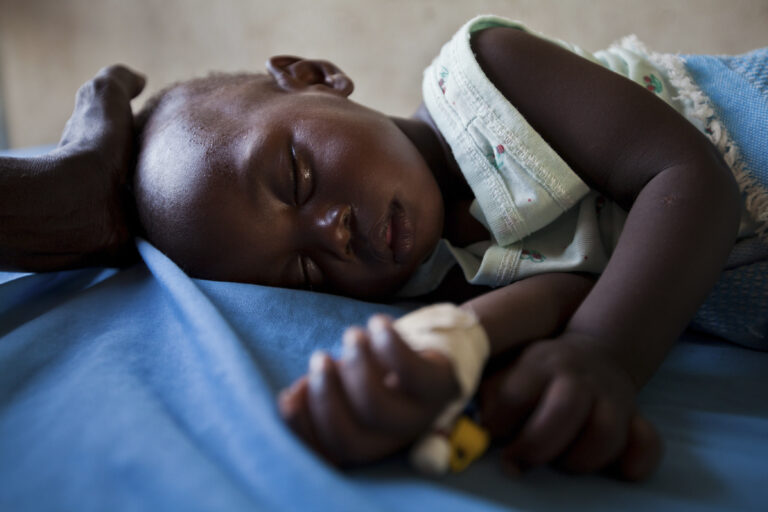
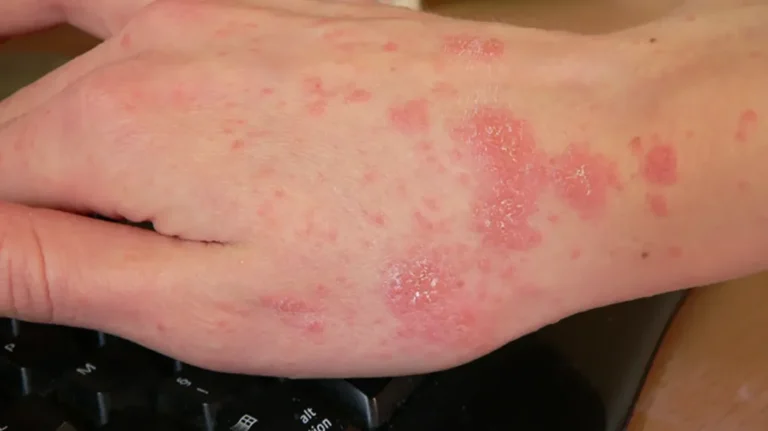
Yellow fever is an acute viral hemorrhagic disease transmitted by infected mosquitoes. It’s a significant public health concern, particularly in tropical regions of Africa and South America. Understanding its transmission, symptoms, and prevention is crucial for controlling outbreaks and protecting vulnerable populations.
Understanding Yellow Fever:
- Causative Agent:
- Yellow fever virus, a flavivirus.
- Transmission:
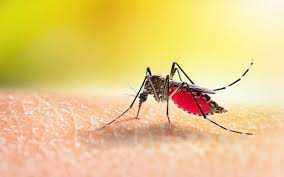
- Primarily through the bite of infected
Aedes aegypti mosquitoes (urban yellow fever). - In jungle or sylvan yellow fever, other Aedes species, and Haemagogus mosquitoes, can transmit the virus.
- Not Contagious:
- Yellow fever is not spread from person to person through direct contact.
Transmission Details:
- Urban Yellow Fever:
- Occurs in densely populated areas where Aedes aegypti mosquitoes thrive.
- Infected humans serve as the primary source of the virus.
- Jungle (Sylvan) Yellow Fever:
- Occurs in forested areas where monkeys serve as the primary reservoir.
- Humans can become infected when bitten by infected mosquitoes that have acquired the virus from monkeys.
- Intermediate (Savannah) Yellow Fever:
- Occurs in savannah areas of Africa.
- Semi-domestic mosquitoes infect both humans and monkeys.
Symptoms:
Yellow fever symptoms can range from mild to severe.
- Initial Phase:
- Fever
- Headache
- Muscle aches
- Back pain
- Loss of appetite
- Nausea and vomiting
- Severe Phase:
- High fever
- Jaundice (yellowing of the skin and eyes)
- Bleeding (hemorrhage) from the mouth, nose, eyes, or stomach
- Kidney failure
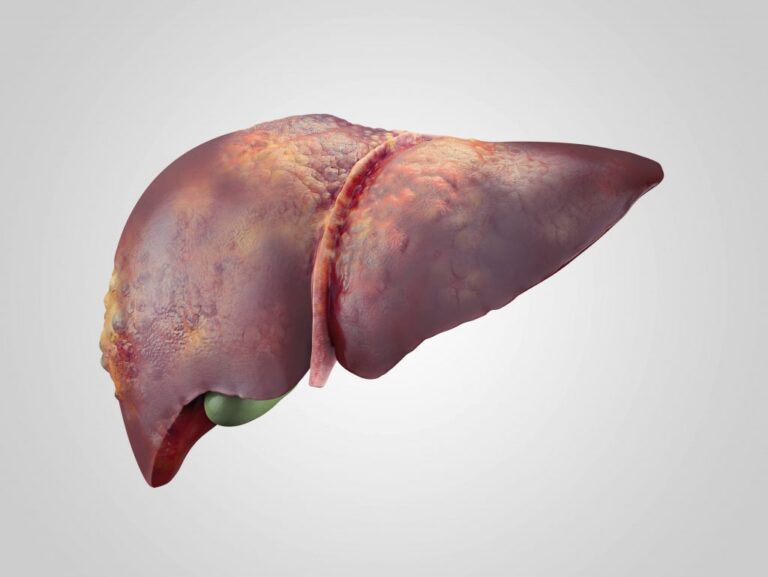
- Liver failure
- Delirium
- Seizures
- Coma
Diagnosis:
- Laboratory testing is essential for confirming yellow fever:
- RT-PCR (reverse transcription-polymerase chain reaction) to detect the virus’s RNA.
- Antibody detection tests (ELISA).
- Virus isolation.
Treatment:
- There is no specific antiviral treatment for yellow fever.
- Treatment focuses on supportive care:
- Fluid and electrolyte management.
- Symptom relief.
- Treatment of complications.
Prevention:
- Vaccination:
- The yellow fever vaccine is highly effective and provides lifelong immunity.
- It’s recommended for travelers to endemic areas.
- Many countries require proof of yellow fever vaccination for entry.
- Mosquito Control:
- Reducing mosquito populations through insecticide spraying.
- Eliminating mosquito breeding sites.
- Using mosquito repellents and bed nets.
- Public Awareness:
- Educating communities about the risks of yellow fever and preventive measures.
Public Health Importance:
- Yellow fever outbreaks can have high mortality rates.
- The potential for urban outbreaks poses a significant risk to densely populated areas.
- Vaccination is the most effective way to prevent yellow fever.
- International collaboration is crucial for controlling outbreaks and providing support to affected countries.
It’s crucial for travelers to endemic areas to be aware of the risks of yellow fever and to take appropriate precautions, including vaccination.