Zinc: The Essential Guardian of Immunity, Growth, and Health
Introduction: The Unsung Mineral Hero
While often overshadowed by more famous nutrients like vitamin C or calcium, zinc operates as a silent orchestrator behind countless critical bodily functions. This trace mineral—required in small amounts but with monumental impact—serves as a cofactor for over 300 enzymatic reactions in the human body. From the moment a cell divides to the instant your immune system mounts a defense, zinc is there, facilitating, activating, and protecting. Yet, despite its importance, zinc deficiency affects approximately 17% of the global population, with even marginal insufficiency impacting health in subtle but significant ways. This comprehensive guide explores zinc’s multifaceted roles, identifies the richest food sources, and provides practical strategies for ensuring optimal intake.
Part 1: The Biological Symphony – What Zinc Actually Does in Your Body
Zinc is not merely a passive component; it’s an active participant in the most fundamental processes of life.
1. The Immunity Commander
First Responder Support: Zinc is crucial for the development and function of neutrophils and natural killer (NK) cells—your body’s rapid-response team against pathogens.
T-Cell Orchestrator: It’s essential for thymulin activity, a hormone necessary for T-cell maturation. Low zinc levels correlate with reduced T-cell counts and impaired immune memory.
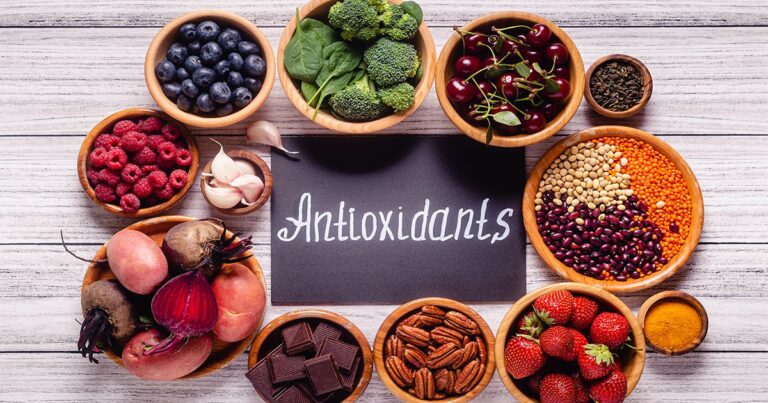
Cellular Defense: Acts as an antioxidant, stabilizing cell membranes against oxidative damage during immune responses.
The Common Cold Connection: Meta-analyses confirm that zinc lozenges (75mg+ daily), taken within 24 hours of symptom onset, can reduce cold duration by 33%. Zinc inhibits rhinovirus replication and blocks its binding to nasal mucosa.
2. The Growth and Development Architect
DNA Synthesis & Cell Division: Every cell division requires zinc-dependent enzymes. This makes it critical during periods of rapid growth: pregnancy, infancy, childhood, and adolescence.
Protein Synthesis: Zinc finger proteins regulate gene expression, directly influencing how genetic instructions are translated into physical structures.
Wound Healing Champion: Zinc is essential for collagen synthesis, inflammatory response modulation, and tissue regeneration. Topical zinc oxide accelerates healing of ulcers, burns, and surgical wounds.
3. The Cognitive and Neurological Regulator
Neurotransmitter Function: Zinc is stored in synaptic vesicles of glutamatergic neurons and modulates communication between brain cells, influencing learning, memory, and mood.
Brain Development: Prenatal and early childhood zinc deficiency is linked to impaired attention, motor development, and behavioral issues.
Potential Neuroprotection: Zinc homeostasis is crucial in age-related cognitive decline. Imbalances (both deficiency and excess) are implicated in Alzheimer’s and Parkinson’s pathologies.
4. The Sensory Guardian
Taste and Smell: Zinc is concentrated in taste buds and olfactory epithelium. Deficiency commonly manifests as hypogeusia (reduced taste) and hyposmia (reduced smell)—often overlooked early signs.
Vision Support: High concentrations of zinc are found in the retina, particularly the macula. It works with antioxidants to protect against age-related macular degeneration (ARMD). The landmark AREDS study found zinc supplementation reduced risk of advanced ARMD by 25%.
5. The Metabolic Maestro
Insulin Mimetic & Storage: Zinc forms complexes with insulin in pancreatic beta-cells, aiding its storage and release. Deficiency can impair insulin sensitivity.
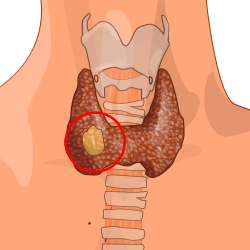
Thyroid Function: Required for conversion of thyroxine (T4) to active triiodothyronine (T3).
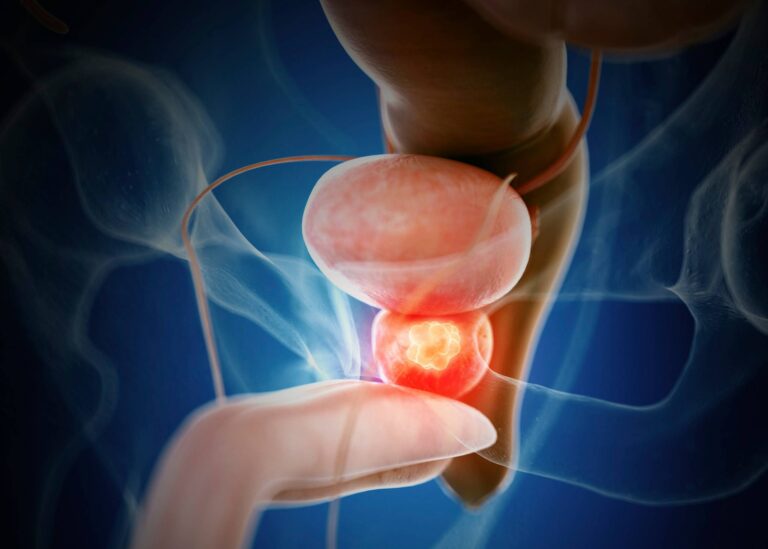
Reproductive Health: In men, zinc concentrates in the prostate and semen, supporting sperm quality and testosterone metabolism. In women, it’s crucial for ovarian function and hormonal balance.
6. The Barrier Defender
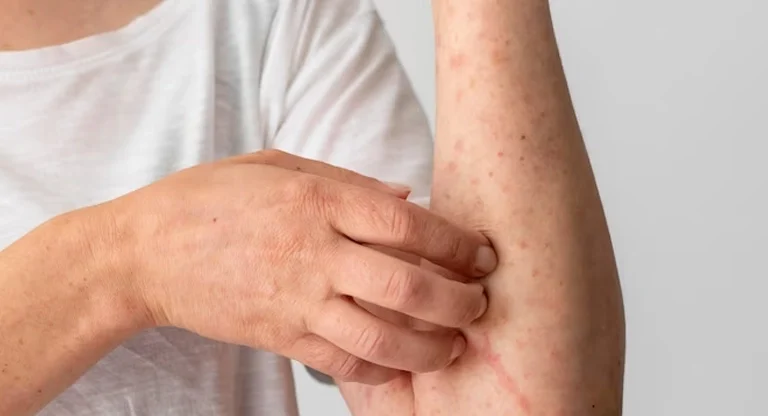
Skin Health: Regulates sebum production, reduces inflammation in acne, and maintains skin integrity. Oral and topical zinc are effective treatments for acne vulgaris.
Gut Lining Integrity: Zinc supports tight junction proteins, helping maintain a selective intestinal barrier—critical for preventing “leaky gut” and systemic inflammation.
Part 2: The Deficiency Spectrum – Recognizing the Signs
Zinc deficiency exists on a continuum, from severe (rare in developed countries) to marginal (surprisingly common).
Severe Deficiency Manifestations:
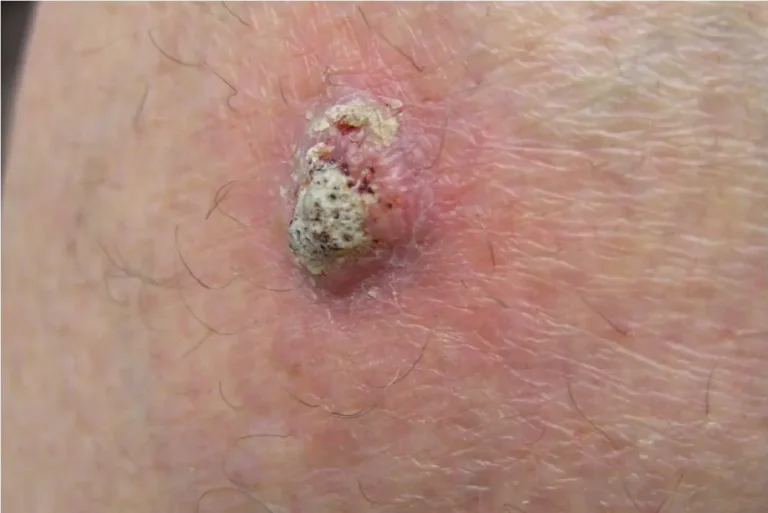
Acrodermatitis enteropathica (genetic disorder causing severe dermatitis, diarrhea, alopecia)
Growth retardation and delayed sexual maturation in children
Severe immune dysfunction and recurrent infections
Impaired wound healing
Marginal/Subclinical Deficiency Indicators (More Common):
Frequent colds and infections
Loss of taste or smell
White spots/ridges on fingernails
Thinning hair or hair loss
Brain fog, difficulty concentrating
Mild acne or skin rashes
Low mood or depression
Diarrhea (due to gut barrier dysfunction)
High-Risk Populations:
Vegetarians & Vegans: Plant zinc has lower bioavailability
Pregnant & Lactating Women: Increased demands for fetal/neonatal development
Infants & Children: Rapid growth phases increase requirements
Older Adults (>65): Reduced intake and absorption
Those with GI Disorders: Crohn’s, ulcerative colitis, celiac disease impair absorption
Chronic Alcohol Consumers: Alcohol increases urinary zinc excretion
Sickle Cell Disease Patients: Increased hemolysis leads to higher zinc losses
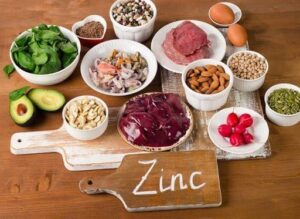
Part 3: The Gold Standard – Best Food Sources of Zinc
Zinc bioavailability varies dramatically based on food source. Animal products provide heme zinc with 50-60% absorption, while plant sources provide non-heme zinc with 15-30% absorption due to phytates that bind zinc.
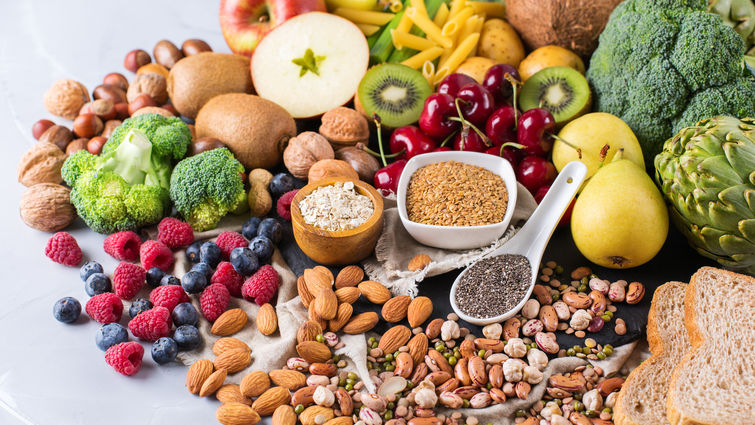
Tier 1: Highest Bioavailability Sources (Animal-Based)
Tier 2: Plant-Based Powerhouses (Optimize Absorption)
Tier 3: Fortified Foods & Other Sources
Fortified Cereals: Check labels – some provide 100% DV per serving
Dark Chocolate (70-85%): 1 oz provides ~0.9 mg (also rich in magnesium)
Cheese (Swiss, Cheddar): 1 oz provides ~1 mg
Milk: 1 cup provides ~1 mg
Part 4: The Absorption Equation – Maximizing Zinc Bioavailability
Enhancers of Zinc Absorption:
Animal Protein: The “meat factor” – peptides from digested meat, poultry, and fish enhance zinc absorption from all foods in a meal.
Organic Acids: Citric, malic, lactic, and tartaric acids (found in fruits, fermented foods) can form soluble complexes with zinc.
Soaking, Sprouting, Fermenting: Reduces phytate content in plants by activating endogenous phytase enzymes.
Leavening: In breadmaking, yeast fermentation breaks down phytates.
Inhibitors of Zinc Absorption:
Phytates (Phytic Acid): Found in whole grains, legumes, nuts, seeds. Binds zinc in insoluble complexes.
High Calcium Intake: Especially when combined with high phytate meals (e.g., fortified cereal with milk).
Iron Supplements: High-dose non-heme iron can compete with zinc for absorption.
Certain Medications: Tetracycline and quinolone antibiotics, diuretics, and proton pump inhibitors.
Practical Strategies for Plant-Based Eaters:
Soak legumes and grains overnight in warm water with a tablespoon of vinegar or lemon juice
Sprout seeds, grains, and legumes when possible
Choose fermented soy (tempeh, miso) over unfermented (tofu)
Consume vitamin C-rich foods (bell peppers, citrus) with plant zinc sources
Space calcium supplements away from zinc-rich meals
Part 5: Supplementation – When and How
Recommended Daily Allowances (RDAs):
Adult Men: 11 mg/day
Adult Women: 8 mg/day (11 mg if lactating, 12 mg if pregnant)
Children: 3-5 mg (age-dependent)
Upper Limit (UL): 40 mg/day for adults (from supplements, not food)
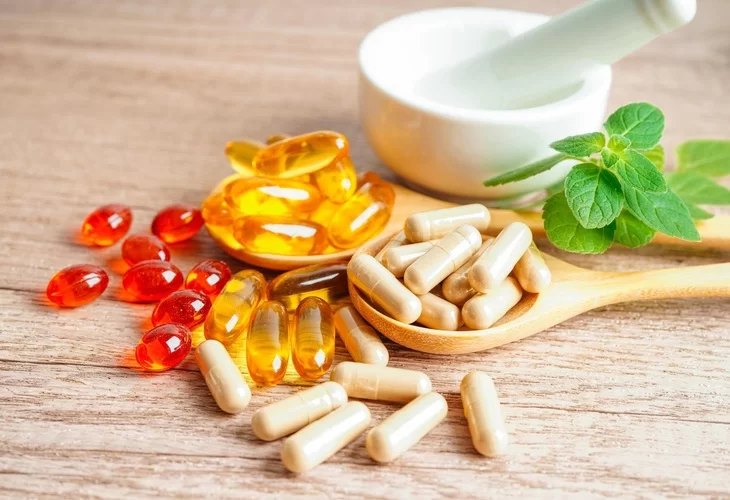
Supplement Forms (Best to Worst):
Zinc Picolinate: High absorption, gentle on stomach
Zinc Citrate: Well-absorbed, good bioavailability
Zinc Gluconate: Common in lozenges, moderate absorption
Zinc Oxide: Poorly absorbed (~5%), common in sunscreens and diaper creams
When Supplementation May Be Warranted:
Diagnosed deficiency (confirmed by plasma zinc <70 mcg/dL)
Vegetarians/vegans with limited diversified intake
During active cold symptoms (short-term high dose: 75-100 mg/day for <2 weeks)
Acne vulgaris (30-45 mg zinc gluconate daily for 3 months)
Age-related macular degeneration (AREDS2 formula: 80 mg zinc oxide)
Always consult a healthcare provider before starting supplementation
Toxicity Symptoms (Rare from food, possible from supplements):
Nausea, vomiting, loss of appetite
Abdominal cramps, diarrhea
Headaches
Reduced immune function (with chronic high intake)
Copper deficiency (zinc >50 mg/day long-term inhibits copper absorption)
Part 6: The Zinc-Copper Balance – A Critical Relationship
Zinc and copper exist in a delicate antagonistic balance. Excess zinc suppresses copper absorption, and vice versa.
Maintaining the Ratio:
Ideal dietary ratio: 8-15 mg zinc : 1 mg copper
Supplement caution: High-dose zinc supplements (>40 mg/day) for >2 weeks should include 1-2 mg copper
Food sources of copper: Liver, oysters, shiitake mushrooms, cashews, sunflower seeds, dark chocolate
Part 7: Sample Meal Plans for Optimal Zinc Intake
Omnivore Plan (≈15-20 mg zinc):
Breakfast: 2 eggs + 1 slice whole-grain toast + ¼ avocado
Lunch: 4 oz grilled chicken salad with chickpeas, pumpkin seeds, and yogurt dressing
Dinner: 5 oz grass-fed beef stir-fry with broccoli and mushrooms over quinoa
Snack: Greek yogurt with berries
Vegetarian Plan (≈12-15 mg zinc, with optimized absorption):
Breakfast: Soaked oatmeal made with milk, topped with hemp seeds and raspberries
Lunch: Lentil soup with sourdough bread (naturally leavened) and side salad with lemon dressing
Dinner: Tempeh and vegetable curry with brown rice (soaked before cooking)
Snack: Handful of dry-roasted cashews and an orange
Conclusion: Zinc – The Multitasking Mineral
Zinc operates as a fundamental pillar of human health, influencing systems from the cellular to the systemic level. Its roles in immunity, growth, cognition, and metabolism make it indispensable, yet its subtle deficiency symptoms mean many may be suboptimally nourished without realizing it.
The path to optimal zinc status lies not in megadose supplements for most, but in strategic dietary choices:
Prioritize bioavailable sources like oysters, red meat, and poultry regularly
If plant-based, master preparation techniques to enhance absorption
Listen to your body’s signals – taste changes, frequent infections, slow healing
Maintain mineral balance, particularly with copper
In an era of complex nutrition science, zinc stands out for its straightforward importance and the tangible benefits of repletion. Whether through six oysters or a bowl of properly prepared lentils, ensuring adequate zinc intake is one of the most impactful, yet surprisingly simple, steps you can take for foundational, lifelong health.
Final Recommendation: Aim for variety rather than focusing on single sources. A diverse diet that includes both animal and plant zinc sources, prepared with bioavailability in mind, provides not only this crucial mineral but the synergistic nutrients that make it work optimally in your body’s intricate biochemical symphony.